
Trade
Pakistan Industry Warns Middle East Conflict Could Pressure Trade and Balance of Payments

Published
2 days agoon
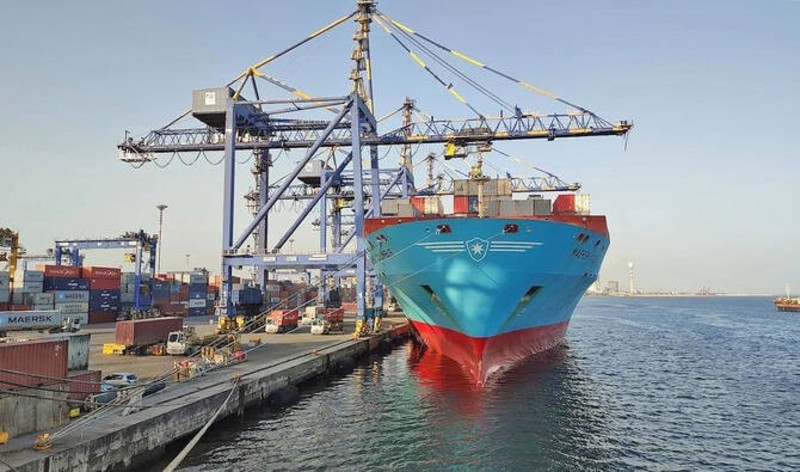
Pakistan’s business community has warned that rising tensions in the Middle East and the reported disruption of shipping routes near the Strait of Hormuz could create serious economic challenges for the country. Industry leaders say the conflict involving the United States, Israel, and Iran has already unsettled global shipping markets and may threaten Pakistan’s fragile economic recovery. The South Asian economy relies heavily on imported fuel and international maritime trade, making it particularly vulnerable to disruptions in key global energy corridors. Economists and business groups say prolonged instability in the region could drive up freight costs, disrupt supply chains, and increase pressure on the country’s balance of payments. Pakistan is already managing tight financial conditions while implementing reforms under a multibillion dollar program with the International Monetary Fund aimed at stabilizing public finances and rebuilding foreign exchange reserves.
Industry representatives believe that a disruption of major shipping routes could quickly affect the country’s export sector. Business leaders estimate that Pakistan exports goods worth around eighty five million dollars each day, and any extended pause in shipping activity could cause large financial losses. If exports were halted for even ten days, the economy could lose roughly one billion dollars in revenue. The textile sector, which remains the backbone of Pakistan’s exports, is considered particularly vulnerable to rising transportation costs and shipment delays. Leaders from textile industry groups say that if shipping disruptions continue through the current month, the country could see a ten to twenty percent decline in export volumes. Higher freight costs combined with uncertain delivery schedules could reduce competitiveness in international markets and discourage foreign buyers from placing new orders.
Energy imports represent another critical concern for policymakers and industry leaders. Pakistan’s largest oil refining companies note that around 80% of the country’s crude oil imports pass through the Strait of Hormuz, one of the most important energy transit routes in the world. Any long term disruption in that corridor could raise the cost of energy imports and put pressure on the country’s external accounts. Officials say petroleum stocks remain stable for the moment but warn that continued tensions could create supply challenges later. Rising global crude prices could increase Pakistan’s import bill and contribute to domestic inflation. Analysts say that if oil prices remain elevated for an extended period, the country’s foreign exchange reserves could face additional stress and complicate ongoing economic stabilization efforts.
Recent trade data already highlights the challenges facing the economy. Pakistan’s trade deficit has widened during the current fiscal year as imports continue to rise while exports have slowed. Industry leaders say that higher oil prices, combined with potential shipping delays, could push the trade gap even further. Exporters have also warned that uncertainty in global markets could reduce demand from key buyers in Europe and the United States. Even if shipping routes remain open, higher insurance and freight charges could increase costs for Pakistani exporters and limit their competitiveness. Analysts say the full economic impact will depend on how long the regional conflict continues and how global energy markets respond to the evolving geopolitical situation.
You may like


Trade
Pakistan Afghanistan Conflict Disrupts Central Asian Trade Connectivity Plans
Published
2 days agoon
March 4, 2026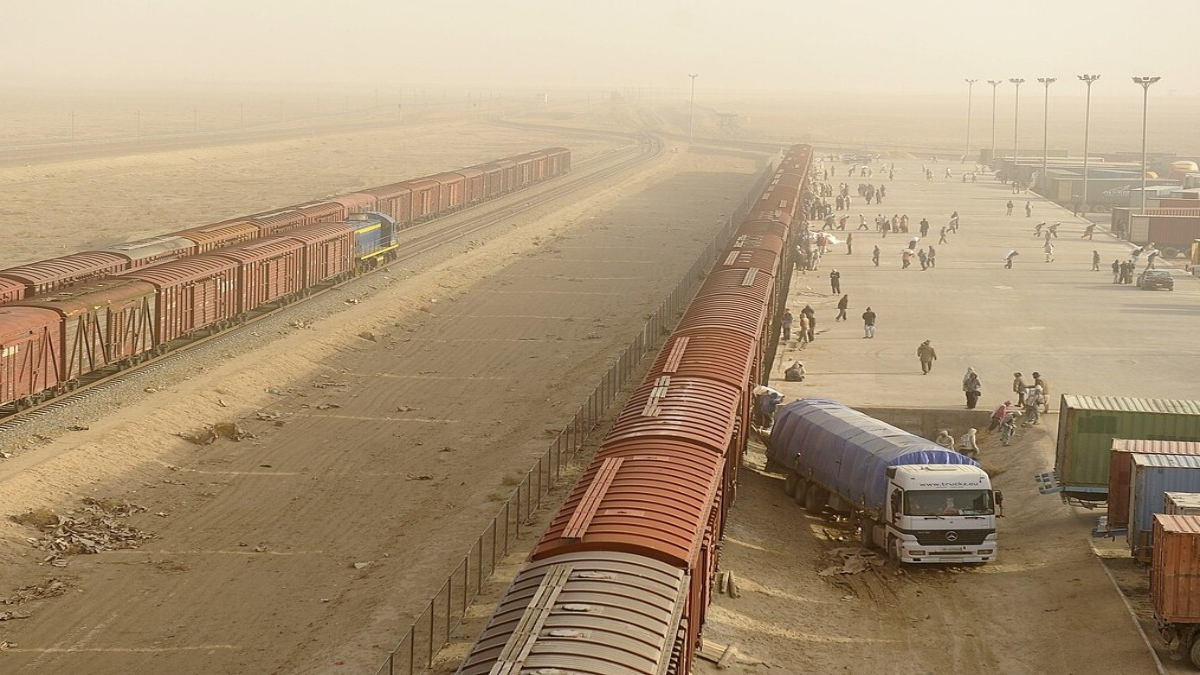
Rising military tensions between Pakistan and Afghanistan have begun disrupting regional trade expectations, creating uncertainty for Central Asian countries that were counting on the two neighbors to provide faster access to global sea routes. The conflict, which has intensified along the long frontier between the two countries, is already raising concerns among regional policymakers and trade experts who fear that ongoing fighting could delay major connectivity projects linking Central Asia with Pakistani ports. For landlocked economies such as Kazakhstan, Uzbekistan and Kyrgyzstan, access to seaports through Afghanistan and Pakistan has long been viewed as a critical pathway for expanding exports and integrating more deeply with global markets. Analysts warn that escalating hostilities could undermine months of diplomatic progress aimed at building new trade corridors connecting Central Asia with South Asia and international shipping routes.
Reports indicate that clashes between the two sides have included air operations and ground confrontations along the approximately 1600 mile border that separates Pakistan and Afghanistan. The situation has raised fears that transport routes passing through Afghanistan could become unstable or temporarily inaccessible. Trade planners in Central Asia had been exploring Afghanistan and Pakistan as the most direct route to the Arabian Sea which would allow their exporters to ship goods more efficiently to international markets. For countries that currently rely on long overland routes through other regions, the proposed corridor promised to significantly reduce transportation costs and shorten delivery times for exports ranging from agricultural commodities to industrial products. The emerging conflict is now casting doubt over the pace at which these projects can move forward.
In recent months Central Asian governments had intensified diplomatic engagement with both Islamabad and Kabul in an effort to strengthen economic connectivity. High level visits from leaders of Kazakhstan, Kyrgyzstan and Uzbekistan to Pakistan helped lay the groundwork for new trade partnerships and infrastructure plans. Among the most ambitious proposals discussed was a trans Afghan railway network that would connect Central Asian markets with Pakistan’s major ports including Karachi, Port Qasim and Gwadar. These projects were designed to transform regional trade by giving landlocked economies a reliable maritime outlet. Officials also discussed the development of logistics hubs and terminals at Pakistani ports that would facilitate the movement of Central Asian exports to global markets.
Economic cooperation with Afghanistan had also been expanding in parallel with these plans. Central Asian countries had been seeking to increase commercial engagement with Kabul as part of a broader strategy to improve regional stability and connectivity. Uzbekistan in particular had taken steps to deepen economic ties including reopening cross border transit points and expanding bilateral trade flows. Officials in Tashkent had expressed ambitions to significantly increase trade with Afghanistan in the coming years as infrastructure links improved. However the new conflict between Pakistan and Afghanistan threatens to slow or suspend many of these initiatives as governments reassess security conditions and the viability of long term transport corridors passing through the region.
Regional analysts believe that prolonged instability could delay Central Asia’s broader goal of overcoming the limitations of being landlocked economies. Without reliable access to seaports exporters in the region face higher transportation costs and limited trade flexibility. The longer the conflict continues the more difficult it may become for countries in the region to implement connectivity agreements and infrastructure projects that were designed to expand trade routes and stimulate economic growth across Central and South Asia.
Trade
Venezuela Oil Exports From Jose Terminal Approach Seven Year High
Published
2 days agoon
March 4, 2026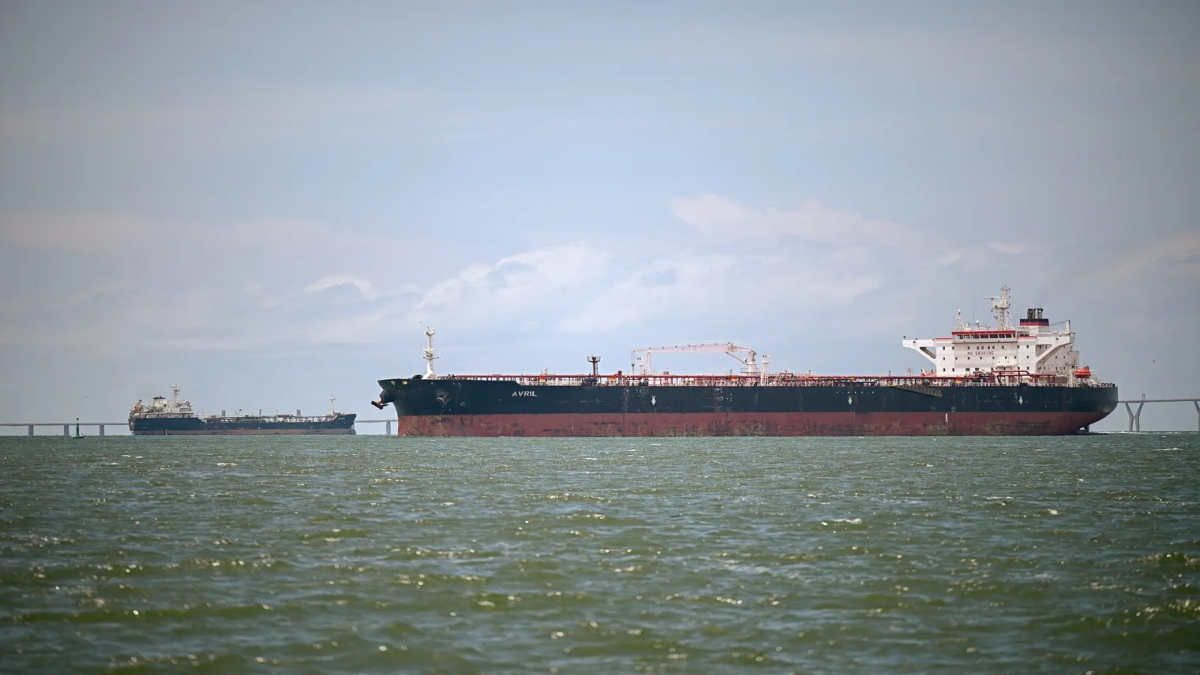
Venezuela’s crude exports from its main oil terminal are expected to rise sharply in March, pushing shipments close to their highest level in nearly seven years. Early loading schedules indicate that exports from the Jose terminal, the country’s largest oil hub, could reach around 848000 barrels per day during the month. The terminal handles the majority of Venezuela’s overseas oil shipments and plays a central role in the country’s energy trade. Industry observers say the expected increase reflects a stronger pace of cargo loading as authorities and international traders accelerate shipments under the current oversight framework governing Venezuelan oil sales. Analysts believe the increase in exports could help reduce large inventories that had accumulated in recent months while also improving cash flow for the country’s energy sector.
The Jose terminal is responsible for more than eighty percent of Venezuela’s crude exports and serves as a key gateway for oil shipments to global markets. Located on the Caribbean coast in the state of Anzoategui, the industrial complex includes storage facilities, processing plants and tanker loading terminals that allow crude oil and petroleum products to be exported to international buyers. The hub receives large volumes of heavy crude produced in the Orinoco Belt before the oil is blended and shipped abroad. Because of its scale and infrastructure the terminal has long been considered the backbone of Venezuela’s oil export system.
Shipping activity has accelerated in recent months as traders and energy companies seek to move larger volumes of Venezuelan crude to global markets. Reports from maritime tracking data indicate that several large cargoes are scheduled to depart from the Jose port during March, with shipments destined for buyers in the United States, Europe and parts of Asia. Energy companies have also begun using larger tankers to move Venezuelan crude more efficiently, helping reduce transportation costs and clear stockpiles that built up during earlier disruptions. Analysts say the use of very large crude carriers could significantly speed up export operations while allowing producers to ship greater volumes in fewer voyages.
Venezuela’s oil sector has faced major challenges in recent years due to sanctions, declining investment, and operational difficulties that reduced production capacity. Despite possessing the world’s largest proven oil reserves, the country has struggled to maintain consistent output levels. Sanctions and restrictions on international trade limited access to technology, financing, and shipping services, which contributed to declining production and export volumes. However recent changes in market conditions and the involvement of international trading firms have helped revive export flows, allowing the country to gradually rebuild its presence in global energy markets.
Energy analysts say the rising export volumes could have wider implications for global oil markets if the trend continues. Increased shipments from Venezuela may help supply refiners that process heavy crude oil while providing additional barrels to international buyers seeking alternatives to other suppliers. At the same time the situation remains closely monitored by policymakers and energy companies due to ongoing geopolitical tensions surrounding Venezuelan oil trade. Market participants say the pace of exports from the Jose terminal in the coming months will be a key indicator of whether Venezuela’s oil sector can sustain its recovery and maintain stronger production and shipment levels in the near term.
Trade
Hungary Seeks to Expand Trade and Investment Cooperation With Pakistan
Published
2 days agoon
March 4, 2026
Hungary has expressed strong interest in expanding trade and investment cooperation with Pakistan as both countries look to strengthen economic ties and explore new business opportunities. Hungarian Ambassador to Pakistan Dr Zoltan Varga said that the two nations share traditionally friendly diplomatic relations and have significant potential to increase bilateral trade. Speaking during an interactive session at the Islamabad Chamber of Commerce and Industry, the envoy highlighted that Pakistan and Hungary have maintained stable relations for decades and continue to explore new avenues for economic collaboration. He noted that the growing interaction between businesses and policymakers from both countries reflects a shared interest in building stronger commercial partnerships. According to the ambassador, enhanced engagement between public institutions and private sector stakeholders could play an important role in unlocking new trade prospects and encouraging greater investment activity.
The ambassador pointed out that Pakistan and Hungary marked the 60th anniversary of diplomatic relations last year, an occasion that was accompanied by some business and economic engagements between the two countries. These initiatives were aimed at strengthening institutional ties and promoting dialogue between companies from both sides. He also mentioned the role of the Pakistan Hungary Joint Economic Commission which serves as an important platform for discussing trade policy issues and identifying new areas of cooperation. The most recent meeting of the commission took place last year and discussions are already underway for the next session which is expected to be held in Budapest. Officials believe that continued dialogue through such platforms can help remove barriers to trade and open new channels for commercial collaboration between the two economies.
Dr Varga noted that the current bilateral trade volume between Pakistan and Hungary is estimated at around one hundred million dollars which he described as modest compared to the economic potential of both countries. He emphasized that this level of trade demonstrates the opportunity for significant expansion in the coming years. Hungary’s most visible economic presence in Pakistan is through the MOL Group, a Hungarian oil and gas company that has been operating in the country for more than two decades. The company’s continued operations in Pakistan have contributed to energy sector development while also demonstrating the benefits of long term foreign investment partnerships. The ambassador said such successful collaborations highlight the value of stable business environments and encourage other international firms to consider Pakistan as a destination for investment.
Officials at the Islamabad Chamber of Commerce and Industry also stressed the importance of strengthening economic cooperation between the two countries. Chamber President Sardar Tahir Mehmood said Pakistan offers a large and dynamic market with a population exceeding 250 million people and considerable potential for trade expansion. He noted that Pakistan currently exports textiles, leather products and food items to Hungary while imports from Hungary include machinery, pharmaceuticals and specialized industrial equipment. According to business leaders there are numerous sectors where cooperation could grow including energy development, information technology services, pharmaceutical manufacturing, infrastructure projects and agricultural technology. The upcoming European Union Pakistan Business Forum scheduled for next month is expected to provide another platform for companies from both countries to build connections and explore investment partnerships.


Fed’s Collins Says Monetary Policy Is Well Positioned as Inflation Outlook Remains Uncertain

Private-Sector Data Gains Importance in Shaping U.S. Monetary Policy Decisions

SBP Foreign Exchange Reserves Rise by $87 Million to $16.3 Billion in Weekly Update
Trending

 Fashion9 years ago
These ’90s fashion trends are making a comeback in 2017
- Entertainment9 years ago
The final 6 ‘Game of Thrones’ episodes might feel like a full season
- Fashion9 years ago
According to Dior Couture, this taboo fashion accessory is back
- Entertainment9 years ago
The old and New Edition cast comes together to perform
- Sports9 years ago
Phillies’ Aaron Altherr makes mind-boggling barehanded play
- Business9 years ago
Uber and Lyft are finally available in all of New York State
- Entertainment9 years ago
Disney’s live-action Aladdin finally finds its stars
- Sports9 years ago
Steph Curry finally got the contract he deserves from the Warriors