


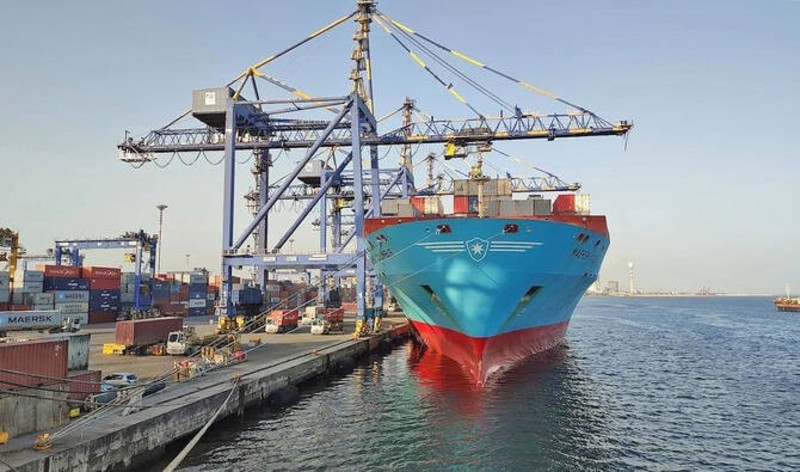
Pakistan’s business community has warned that rising tensions in the Middle East and the reported disruption of shipping routes near the Strait of Hormuz could create serious economic challenges for the country. Industry leaders say the conflict involving the United States, Israel, and Iran has already unsettled global shipping markets and may threaten Pakistan’s fragile economic recovery. The South Asian economy relies heavily on imported fuel and international maritime trade, making it particularly vulnerable to disruptions in key global energy corridors. Economists and business groups say prolonged instability in the region could drive up freight costs, disrupt supply chains, and increase pressure on the country’s balance of payments. Pakistan is already managing tight financial conditions while implementing reforms under a multibillion dollar program with the International Monetary Fund aimed at stabilizing public finances and rebuilding foreign exchange reserves.
Industry representatives believe that a disruption of major shipping routes could quickly affect the country’s export sector. Business leaders estimate that Pakistan exports goods worth around eighty five million dollars each day, and any extended pause in shipping activity could cause large financial losses. If exports were halted for even ten days, the economy could lose roughly one billion dollars in revenue. The textile sector, which remains the backbone of Pakistan’s exports, is considered particularly vulnerable to rising transportation costs and shipment delays. Leaders from textile industry groups say that if shipping disruptions continue through the current month, the country could see a ten to twenty percent decline in export volumes. Higher freight costs combined with uncertain delivery schedules could reduce competitiveness in international markets and discourage foreign buyers from placing new orders.
Energy imports represent another critical concern for policymakers and industry leaders. Pakistan’s largest oil refining companies note that around 80% of the country’s crude oil imports pass through the Strait of Hormuz, one of the most important energy transit routes in the world. Any long term disruption in that corridor could raise the cost of energy imports and put pressure on the country’s external accounts. Officials say petroleum stocks remain stable for the moment but warn that continued tensions could create supply challenges later. Rising global crude prices could increase Pakistan’s import bill and contribute to domestic inflation. Analysts say that if oil prices remain elevated for an extended period, the country’s foreign exchange reserves could face additional stress and complicate ongoing economic stabilization efforts.
Recent trade data already highlights the challenges facing the economy. Pakistan’s trade deficit has widened during the current fiscal year as imports continue to rise while exports have slowed. Industry leaders say that higher oil prices, combined with potential shipping delays, could push the trade gap even further. Exporters have also warned that uncertainty in global markets could reduce demand from key buyers in Europe and the United States. Even if shipping routes remain open, higher insurance and freight charges could increase costs for Pakistani exporters and limit their competitiveness. Analysts say the full economic impact will depend on how long the regional conflict continues and how global energy markets respond to the evolving geopolitical situation.