
Economy
IMF Program Pakistan: Economic Reform and Market Impact

Published
2 days agoon
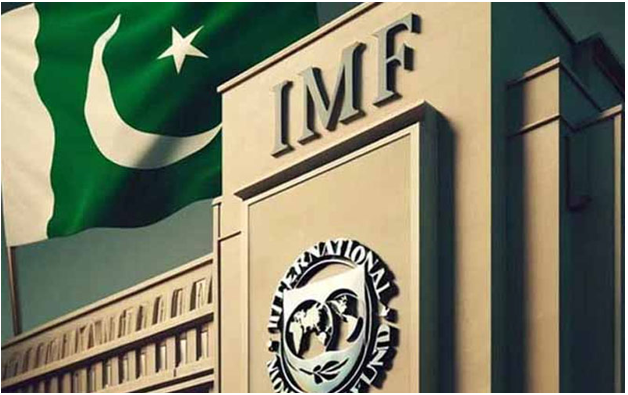
IMF Program Pakistan Latest Developments
The IMF program Pakistan remains central to the country’s economic stabilization strategy. The International Monetary Fund’s review process focuses on fiscal discipline, structural reforms, and external account stability. Investors closely monitor each review outcome because IMF approvals unlock foreign funding and strengthen foreign exchange reserves. Recent discussions highlight progress in tax reforms, energy sector adjustments, and subsidy rationalization. A successful IMF review improves global confidence and supports currency stability. However, reform implementation remains critical to sustaining long-term macroeconomic health. Markets often react positively to confirmation of continued IMF support, particularly in equities and bond markets.
Why IMF Reviews Matter for Markets
IMF program progress directly influences financial markets and investor confidence. Key impacts include:
- Strengthening foreign exchange reserves
- Improving sovereign credit outlook
- Stabilizing the rupee
- Encouraging foreign portfolio inflows
- Enhancing fiscal transparency
When IMF disbursements are confirmed, market volatility usually declines. A stable macroeconomic framework reduces uncertainty for businesses and international investors. However, delays or unmet conditions can increase market pressure. Therefore, policy continuity and reform credibility are essential for sustainable economic recovery.
Structural Reforms and Economic Discipline
The IMF emphasizes tax base expansion, energy sector efficiency, and public finance management reforms. These measures aim to reduce fiscal deficits and improve long-term economic resilience. Inflation control and revenue mobilization remain top priorities.
While reform measures can create short-term economic adjustments, they are designed to stabilize the economy over time. Investors typically respond favorably to disciplined fiscal policy. Strong governance signals improve Pakistan’s global financial standing and reduce borrowing costs in international markets.
Google Helpful Content Update & Economic Reporting Standards
Under Google’s Helpful Content and E-E-A-T framework, economic reporting must demonstrate expertise, reliability, and factual accuracy. To rank effectively for “IMF program Pakistan,” content should:
- Reference official policy statements
- Explain economic implications clearly
- Avoid speculative or exaggerated claims
- Provide balanced analysis
Financial content that connects IMF developments to currency stability, stock markets, and fiscal policy improves authority. Structured formatting enhances featured snippet potential and organic visibility.
Economic Outlook After IMF Review
Looking ahead, continued IMF engagement can provide macroeconomic stability and investor reassurance. If reform implementation remains consistent, Pakistan may attract higher foreign investment and strengthen its currency position. However, global economic conditions and commodity prices remain risk variables.
Businesses should prepare for gradual stabilization supported by disciplined fiscal management. Investors should monitor upcoming review schedules and reform milestones.
Stay connected to our ECONOMY section for real-time policy updates and expert financial insights.
Conclusion
The IMF program Pakistan plays a vital role in stabilizing the economy and restoring investor confidence. Sustainable reforms and fiscal discipline will determine long-term success.
You may like



SBP & Monetary Policy
Fed’s Collins Says Monetary Policy Is Well Positioned as Inflation Outlook Remains Uncertain
Published
34 minutes agoon
March 6, 2026
Boston Federal Reserve President Susan Collins said that the current stance of U.S. monetary policy remains appropriate and well positioned as policymakers continue monitoring inflation and broader economic conditions. Speaking at an event in Springfield, Massachusetts, Collins indicated that the Federal Reserve does not need to rush into any immediate changes in interest rates and should remain patient while assessing incoming economic data. Her comments highlight the central bank’s cautious approach as it balances the need to control inflation while supporting economic growth. According to Collins, policymakers are likely to keep the current interest rate target steady for some time until there is clearer evidence that inflation is moving sustainably toward the Federal Reserve’s long-term target.
Fed Signals Patience on Future Interest Rate Decisions
Collins emphasized that the Federal Reserve should take a careful and deliberative approach when considering adjustments to interest rates. She noted that policymakers require stronger evidence that inflation is steadily declining before moving forward with any rate cuts. The central bank has been maintaining a tight monetary policy stance to ensure that inflation pressures continue to ease after the significant price increases experienced in recent years. According to Collins, the current policy framework allows the Federal Reserve to observe economic developments without making premature adjustments. She indicated that maintaining patience is essential as policymakers evaluate how inflation and economic activity evolve over the coming months.
Inflation Still Facing Uncertain Path
While Collins expressed confidence that inflation could gradually decline over time, she acknowledged that the outlook remains uncertain. She pointed out that several factors could still place upward pressure on prices, making it necessary for policymakers to remain cautious. One of the concerns mentioned involves trade policies and potential tariff developments that could affect production costs and consumer prices. These risks highlight the complexity of managing inflation within a dynamic global economic environment. Collins explained that although inflation is expected to ease eventually, policymakers must carefully assess the data to ensure that price pressures continue moving toward the Federal Reserve’s target of 2 percent.
Labor Market Stability Supports Economic Outlook
Another key factor influencing the Federal Reserve’s policy outlook is the condition of the U.S. labor market. Collins noted that the job market appears relatively stable, providing support for overall economic activity. Employment conditions remain an important indicator for policymakers because a strong labor market can sustain consumer spending and economic growth. At the same time, the Federal Reserve continues to monitor wage growth and hiring trends to ensure that labor market strength does not contribute to renewed inflationary pressures. Collins suggested that hiring activity could increase somewhat in the coming months, although the pace of job growth is expected to remain moderate rather than rapid.
Financial Conditions Continue to Support Growth
Collins also highlighted that current financial conditions remain supportive of economic expansion. Despite the Federal Reserve’s tightening cycle in previous years, credit availability and financial market conditions continue to allow businesses and households to access financing for investment and spending. Stable financial conditions can help sustain economic activity even while policymakers maintain a restrictive monetary stance aimed at controlling inflation. Collins indicated that the broader economic environment remains relatively stable, allowing policymakers to carefully monitor developments without making immediate adjustments to the policy rate.
Fed’s Strategy Focused on Price Stability
The Federal Reserve’s monetary policy strategy continues to focus on bringing inflation back to its long-term target while maintaining a stable economic environment. Interest rate adjustments remain one of the central bank’s most important tools for managing inflation and influencing economic conditions. When inflation rises above the target level, policymakers typically tighten monetary policy by raising interest rates to slow demand and stabilize prices. Conversely, when inflation pressures decline and economic conditions weaken, the central bank may consider easing policy to support economic activity. Collins emphasized that policymakers must rely on incoming economic data when determining the appropriate timing for any future policy adjustments.
Global Economic Factors Add Uncertainty
Collins also pointed out that global economic developments can influence the outlook for inflation and growth in the United States. Trade dynamics, supply chain conditions, and geopolitical developments can all affect price stability and economic performance. Such factors contribute to the uncertainty surrounding the inflation outlook, making it important for policymakers to remain flexible in their policy decisions. Monitoring global economic trends helps the Federal Reserve anticipate potential risks that could influence domestic economic conditions.
Outlook for U.S. Monetary Policy
Looking ahead, Collins indicated that the Federal Reserve is likely to maintain its current policy stance while evaluating future economic data. Policymakers will continue assessing inflation trends, labor market conditions, and broader economic indicators before deciding whether interest rate adjustments are necessary. The central bank’s approach suggests that patience and careful monitoring will remain key elements of monetary policy as the economy moves through a period of evolving financial conditions.
SBP & Monetary Policy
Private-Sector Data Gains Importance in Shaping U.S. Monetary Policy Decisions
Published
37 minutes agoon
March 6, 2026
The growing role of private-sector data in shaping monetary policy decisions has become an important topic among economists and policymakers. At the 2026 U.S. Monetary Policy Forum, Philadelphia Federal Reserve President and Chief Executive Officer Anna Paulson discussed new research highlighting how privately generated economic data can help central banks better understand real-time economic conditions. The report, titled “Private Canaries: The Value of Private-Sector Data for U.S. Monetary Policy Making,” examines how information from businesses, financial institutions, and private data providers can complement traditional government statistics when policymakers evaluate the state of the economy and determine appropriate monetary policy responses.
Expanding Sources of Economic Information
Modern economic analysis increasingly relies on a wide range of data sources beyond traditional government statistics. While official indicators such as employment figures, inflation data, and gross domestic product remain essential for policy decisions, private-sector datasets have emerged as valuable tools that offer faster insights into changing economic conditions. Private financial institutions, technology companies, payroll processors, and financial market platforms now generate large volumes of real-time economic information. These datasets can help policymakers detect early signals of economic shifts that may not yet appear in official statistics. By analyzing such information, central banks can gain a more detailed understanding of consumer spending patterns, labor market trends, and business activity across different sectors of the economy.
Research Presented at the U.S. Monetary Policy Forum
The report discussed at the 2026 forum was prepared by a group of prominent economists and financial experts, including researchers from academic institutions and major financial organizations. Contributors included economists from the University of California, Berkeley, the University of Chicago Booth School of Business, Vanguard, J.P. Morgan, and ADP. Their research focuses on how privately collected data can serve as an early indicator of economic changes, helping policymakers identify emerging trends before they are fully reflected in official economic reports. According to the study, integrating private-sector data into monetary policy analysis can improve the ability of central banks to evaluate economic developments and respond more effectively to evolving financial conditions.
Advantages of Real-Time Economic Indicators
One of the key advantages of private-sector data lies in its ability to provide real-time or near real-time insights into economic activity. Official statistics are typically released with a time lag, meaning policymakers often rely on historical data when making decisions about interest rates or financial conditions. In contrast, private datasets generated by financial institutions, payroll companies, and digital platforms can provide more immediate information about consumer behavior, employment changes, and financial market trends. These faster insights can act as early warning signals for policymakers, allowing them to identify potential economic slowdowns, shifts in consumer demand, or changes in labor market conditions earlier than traditional indicators might allow.
Complementing Traditional Economic Data
Despite the advantages of private-sector data, economists emphasize that such information should complement rather than replace official economic statistics. Government agencies still provide the most comprehensive and standardized datasets for measuring inflation, employment, and economic growth. However, combining official statistics with private-sector information can strengthen the analytical framework used by policymakers. By integrating both types of data, central banks can build a more detailed and timely picture of economic conditions, helping them design more effective policy responses. This blended approach may also improve forecasting accuracy and provide deeper insights into economic developments across different industries and regions.
Implications for Monetary Policy Strategy
The increasing availability of private economic data has significant implications for how central banks approach monetary policy decisions. As economic conditions evolve more rapidly in a digitalized global economy, policymakers require faster and more detailed information to assess financial stability and economic growth. Private-sector data can help policymakers track changes in consumer spending, wage trends, business investment, and credit conditions with greater precision. This information can support more informed decisions regarding interest rates, liquidity management, and broader monetary policy strategies aimed at maintaining price stability and supporting sustainable economic growth.
Role of Data Innovation in Modern Central Banking
The discussion at the U.S. Monetary Policy Forum highlights the broader transformation taking place in economic research and central banking. Advances in data technology, digital payments, and financial analytics are generating new sources of economic information that were not available to policymakers in previous decades. As these innovations continue to expand, central banks around the world are exploring ways to integrate alternative datasets into their policy analysis frameworks. This trend reflects a growing recognition that timely and diverse data sources can strengthen policymakers’ ability to respond to rapidly changing economic conditions.
Outlook for Data-Driven Monetary Policy
The use of private-sector data is expected to play an increasingly important role in the future of monetary policymaking. As data analytics technology advances and new information sources emerge, central banks may continue expanding their analytical tools to incorporate broader economic datasets. By combining traditional statistics with innovative private-sector indicators, policymakers can enhance their ability to monitor economic conditions and design policies that support financial stability and sustainable economic growth.
SBP & Monetary Policy
SBP Foreign Exchange Reserves Rise by $87 Million to $16.3 Billion in Weekly Update
Published
42 minutes agoon
March 6, 2026
Pakistan’s foreign exchange reserves held by the State Bank of Pakistan (SBP) increased by $87 million during the week ending February 27, 2026, reflecting a modest improvement in the country’s external liquidity position. According to the central bank’s latest weekly report, SBP reserves rose to $16.3 billion, compared with $16.213 billion recorded in the previous week. The increase represents a week-on-week growth of around 0.5 percent and signals relative stability in the country’s foreign exchange position. The improvement comes at a time when policymakers continue to monitor external sector developments closely to ensure macroeconomic stability and maintain sufficient financial buffers for international obligations and trade-related payments.
Total Foreign Exchange Reserves Show Slight Increase
Alongside the rise in central bank reserves, Pakistan’s overall liquid foreign exchange reserves also recorded a modest increase during the same reporting period. Data released by the State Bank of Pakistan shows that the country’s total liquid reserves reached approximately $21.434 billion by the end of the week. This figure represents an increase of about $26 million compared with the previous week when total reserves stood at around $21.408 billion. The country’s foreign exchange reserves consist of funds held by the State Bank of Pakistan as well as reserves maintained by commercial banks. The central bank’s portion forms the largest component of the country’s reserves and plays a crucial role in maintaining external financial stability and supporting currency management policies.
Commercial Bank Reserves Decline During the Week
While the State Bank reported a weekly increase in its reserves, foreign exchange holdings maintained by commercial banks recorded a decline during the same period. According to official figures, the net foreign reserves held by commercial banks fell by approximately $61 million, bringing their total reserves to $5.134 billion. The decline indicates a week-on-week decrease in bank-held foreign currency balances. Changes in commercial bank reserves are often linked to trade-related transactions, foreign currency demand from businesses, and remittance flows. These fluctuations are common within the financial system and typically reflect routine movements in foreign currency deposits and international payments handled by the banking sector.
Role of Foreign Exchange Reserves in Monetary Stability
Foreign exchange reserves serve as a key indicator of a country’s financial health and economic stability. Adequate reserve levels enable the central bank to manage exchange rate volatility, meet external debt obligations, and support international trade transactions. For Pakistan, maintaining sufficient reserves is particularly important due to the country’s reliance on imported energy resources, industrial raw materials, and consumer goods. Strong reserves also enhance the central bank’s ability to stabilize the currency market when necessary and ensure that foreign exchange demands can be met without placing excessive pressure on the domestic currency.
Importance of Central Bank Reserve Management
The State Bank of Pakistan regularly monitors and manages foreign exchange reserves as part of its broader monetary policy framework. Reserve management allows the central bank to maintain financial stability and respond to changes in global economic conditions. By maintaining adequate reserve buffers, the central bank can support external sector stability and maintain investor confidence in the economy. Reserve levels are influenced by several factors including export earnings, remittance inflows from overseas Pakistanis, foreign investment, and external financing arrangements. These elements collectively determine the pace at which reserves increase or decline over time.
Impact on Currency Market and Financial Confidence
Stable or rising foreign exchange reserves generally contribute to strengthening investor confidence and maintaining stability in the currency market. Higher reserves provide reassurance to financial markets that the country possesses sufficient liquidity to meet its international financial obligations. This can reduce uncertainty among investors and businesses that rely on foreign currency transactions. A stable reserve position also allows policymakers to manage exchange rate pressures more effectively, ensuring that sudden fluctuations in the currency market do not disrupt economic activity.
External Sector Developments and Reserve Trends
Pakistan’s foreign exchange reserves have experienced fluctuations over recent years due to changes in global economic conditions, energy import costs, and financial inflows. Efforts to strengthen external accounts have included measures aimed at improving export performance, encouraging remittances, and securing external financing support. As these policies take effect, reserve levels can gradually improve, providing additional financial stability and helping the country maintain a stronger external balance position. The central bank continues to monitor developments in global financial markets as well as domestic economic indicators to ensure that reserve management strategies remain effective.
Outlook for Pakistan’s Foreign Exchange Reserves
The future direction of Pakistan’s foreign exchange reserves will largely depend on export growth, remittance inflows, external financing, and global economic conditions. Continued improvements in these areas could support further strengthening of reserve levels, helping reinforce stability in the country’s external financial position and broader economic outlook.


Fed’s Collins Says Monetary Policy Is Well Positioned as Inflation Outlook Remains Uncertain

Private-Sector Data Gains Importance in Shaping U.S. Monetary Policy Decisions

SBP Foreign Exchange Reserves Rise by $87 Million to $16.3 Billion in Weekly Update
Trending

 Fashion9 years ago
These ’90s fashion trends are making a comeback in 2017
- Entertainment9 years ago
The final 6 ‘Game of Thrones’ episodes might feel like a full season
- Fashion9 years ago
According to Dior Couture, this taboo fashion accessory is back
- Entertainment9 years ago
The old and New Edition cast comes together to perform
- Sports9 years ago
Phillies’ Aaron Altherr makes mind-boggling barehanded play
- Business9 years ago
Uber and Lyft are finally available in all of New York State
- Entertainment9 years ago
Disney’s live-action Aladdin finally finds its stars
- Sports9 years ago
Steph Curry finally got the contract he deserves from the Warriors