
Industry
Netflix Acquires AI Filmmaking Startup InterPositive Founded by Ben Affleck

Netflix has acquired InterPositive, an artificial intelligence filmmaking technology company founded by actor and filmmaker Ben Affleck, marking a significant move in the streaming giant’s strategy to integrate AI tools into film production workflows. The acquisition includes the entire InterPositive team of engineers, researchers, and creative specialists, with Affleck joining Netflix as a senior advisor.
The deal arrives shortly after Netflix abandoned plans to pursue a massive media acquisition involving Warner Bros. Discovery, a transaction that could have reshaped the global entertainment industry. Instead of pursuing a multibillion dollar merger, Netflix opted for a targeted technology acquisition focused on innovation in filmmaking.
Although financial terms of the deal were not disclosed, the acquisition signals Netflix’s growing commitment to artificial intelligence tools that improve production efficiency without replacing creative professionals. The InterPositive team will now work directly with Netflix’s content and technology divisions to develop new production capabilities for filmmakers.
InterPositive Builds AI Tools Designed for Real Film Production
InterPositive was founded in 2022 and operated quietly until the Netflix announcement revealed its existence to the broader industry. Unlike many generative AI companies focused on creating synthetic video content, the company developed tools designed to assist filmmakers directly during the production and post production process.
The technology developed by InterPositive is built around the concept of training AI models using a film’s own production footage rather than relying on public internet data. By analyzing footage captured during filming, the system learns the visual language of a specific project including lighting styles, camera lenses, and shot composition.
Once trained, the AI model can assist filmmakers in solving practical production problems during post production. These tasks can include removing stunt wires from action scenes, adjusting lighting conditions, correcting framing errors, or enhancing backgrounds without requiring extensive visual effects work.
By focusing on production workflows rather than synthetic content generation, InterPositive positions its technology as a support tool for filmmakers rather than a replacement for creative talent. This distinction has become increasingly important within Hollywood, where debates about generative AI and its impact on actors, writers, and directors remain highly sensitive.
Technology Trained on Custom Production Data
To develop its AI system, the InterPositive team created a specialized dataset filmed on a controlled soundstage. The dataset was designed to replicate the conditions encountered during real film production, allowing the AI system to understand the technical challenges filmmakers regularly face on set.
The dataset included footage captured under different lighting environments, camera configurations, and production scenarios. By exposing the system to realistic filming conditions, developers trained the AI model to recognize the techniques used by cinematographers and directors when constructing visual scenes.
The system was also trained to identify common production challenges such as continuity issues, missing shots, or lighting inconsistencies between scenes. These problems often require expensive visual effects solutions during post production.
By automating parts of this process, the technology could potentially reduce production costs while improving the speed of post production workflows. The system allows filmmakers to make adjustments that previously required complex visual effects pipelines or reshooting scenes.
Another important aspect of the technology is the deliberate limitation built into the system’s architecture. The models are designed to focus on technical filmmaking tasks rather than altering or synthesizing human performances. This design decision reflects growing concerns within the entertainment industry about AI generated actors and digital performance manipulation.
Netflix Expands AI Investment in Film Production Technology
The acquisition of InterPositive fits within a broader strategy by Netflix to develop AI driven tools that enhance film production. Over the past several years, the company has invested in technologies designed to improve visual effects workflows, reduce production costs, and accelerate post production timelines.
Netflix research teams have previously experimented with AI based tools capable of adjusting lighting conditions in filmed scenes and improving visual effects efficiency. These technologies aim to streamline production pipelines while maintaining creative control for filmmakers.
The company has emphasized that AI tools are intended to support creators rather than replace them. By focusing on production workflows rather than generative storytelling, Netflix hopes to introduce AI technology without triggering concerns among creative professionals about job displacement.
The entertainment industry is increasingly exploring how artificial intelligence can be integrated into film production. Studios are experimenting with AI tools for editing, visual effects, script analysis, and content discovery.
For Netflix, investing in AI production tools may also provide a competitive advantage in the streaming industry. Faster and more efficient production workflows could help the company create high quality content while managing production budgets more effectively.
AI Technology Begins Reshaping Media Production
Artificial intelligence is gradually transforming many aspects of the film and television production process. AI powered tools are already being used for tasks such as color grading, video editing assistance, and automated visual effects adjustments.
As machine learning models improve, filmmakers may gain access to new tools that simplify complex production tasks and expand creative possibilities. However industry leaders continue to emphasize the importance of maintaining human control over creative decisions.
The acquisition of InterPositive illustrates how entertainment companies are exploring responsible ways to integrate AI technology while preserving artistic integrity.
Outlook
Netflix’s acquisition of InterPositive signals a growing shift toward AI assisted production tools within the entertainment industry. By focusing on technologies that support filmmakers rather than replace them, the company aims to combine creative storytelling with advanced production innovation.
You may like
Industry
US Tech Industry Employment Declines Sharply as Job Losses Exceed Previous Recession Levels

The technology sector in the United States is facing a growing employment slowdown as new labor market data reveals a significant decline in hiring across the information industry. According to the latest employment report released by the U.S. Bureau of Labor Statistics for February 2026, total non farm payrolls fell by 92,000 compared with the previous month, while the national unemployment rate increased to 4.4 percent. The data suggests that job losses are spreading across multiple sectors, with the technology industry experiencing a particularly notable decline in employment levels.
Economists and analysts say the downturn in tech hiring is becoming increasingly visible after months of gradual contraction across the industry. The report highlighted that employment in the information sector alone declined by 11,000 jobs during February. Over the past twelve months, employment in this sector has been falling at an average rate of about 5,000 jobs per month. This ongoing decline indicates that the slowdown is not a short term disruption but part of a longer structural adjustment within the technology sector.
Tech Sector Employment Weakness Signals Industry Adjustment
The technology industry has traditionally been one of the strongest drivers of job growth in the U.S. economy. Over the past two decades, major technology companies expanded rapidly, hiring engineers, designers, product managers, and software developers to support digital transformation across industries. However, recent economic conditions have changed the hiring environment for many companies in the sector.
Several factors are contributing to the slowdown. Higher interest rates, slower venture capital investment, and tightening corporate budgets have forced many technology firms to reassess their workforce expansion plans. As companies prioritize efficiency and cost control, hiring has slowed while layoffs have increased across multiple technology firms.
Economic analysts say the current employment trend suggests the industry is moving through a correction phase following years of rapid growth. During periods of aggressive expansion, many companies hired employees quickly to support new product development and digital services. As economic conditions change, companies often streamline operations and reduce headcount to maintain profitability.
Job Losses Extend Beyond Technology Companies
While the technology sector has experienced a noticeable decline in employment, the overall U.S. labor market is also showing signs of weakening. The Bureau of Labor Statistics report noted that job losses were also recorded in federal government positions and other service sectors. Some of the decline was attributed to strikes in the healthcare sector, but the broader employment slowdown suggests deeper economic pressures.
Financial analysts say labor market data is closely monitored by investors because employment conditions influence consumer spending and economic growth. When employment levels decline, household incomes may fall, potentially reducing consumer demand across industries.
Technology companies are particularly sensitive to these economic shifts because their business models often depend on long term investment in innovation and research. When economic uncertainty increases, businesses and consumers may delay technology purchases or reduce spending on digital services.
Financial Markets React to Tech Employment Decline
The slowdown in technology employment has also influenced financial markets, particularly within the cryptocurrency sector. Market analysts reported that Bitcoin prices declined following the release of the employment data, falling from above 70,000 dollars to around 68,700 dollars. Cryptocurrency markets often react strongly to macroeconomic indicators because digital assets are closely tied to investor risk appetite and expectations for future interest rate policies.
According to market observers, weaker employment data increases the likelihood that central banks may consider adjusting monetary policy. Investors often anticipate that slowing economic growth could lead to interest rate cuts by the Federal Reserve in an effort to stimulate economic activity.
In response to the labor market report, U.S. Treasury yields moved lower as investors shifted toward safer assets. The U.S. dollar also weakened slightly against the euro, declining by approximately 0.3 percent. Meanwhile, futures contracts linked to the S&P 500 stock index dropped by more than one percent, reflecting broader market concerns about economic momentum.
Analysts Compare Current Tech Slowdown to Previous Recessions
Some economic observers argue that the current downturn in technology employment may be more severe than those experienced during previous recessions. According to economic analyst Joey Politano, the tech employment contraction that began in 2024 could represent one of the most challenging periods for the sector in recent decades.
Historically, technology companies have been able to recover quickly following economic downturns because digital innovation continues to drive demand for new products and services. However, the current environment presents unique challenges including rising operational costs, shifting investment priorities, and increased regulatory scrutiny.
The technology sector has also matured significantly since the early 2000s. Many large technology companies are now established corporations with global operations and massive workforces. As a result, workforce adjustments can have a greater impact on overall employment figures compared with earlier periods in the industry’s development.
Broader Economic Implications
The decline in technology employment highlights the growing interconnection between the digital economy and broader financial markets. As technology companies play an increasingly central role in economic growth, changes in their hiring activity can influence investor sentiment and policy decisions.
Labor market trends in the technology sector also provide insight into the pace of innovation and business investment. When companies reduce hiring or restructure teams, it may signal a shift in strategic priorities or changing expectations for future growth.
Outlook
While the current employment slowdown reflects economic uncertainty and industry adjustments, analysts note that the long term outlook for the technology sector remains tied to continued demand for digital services, artificial intelligence, and advanced computing infrastructure. The coming months will reveal whether the current contraction represents a temporary correction or the beginning of a deeper restructuring within the global technology industry.
Industry
COFCO Technology & Industry Shareholders Plan Stake Sale as Market Monitors Corporate Ownership Shift

Shares of COFCO Technology & Industry Co Ltd are drawing attention after the company disclosed that several shareholders intend to reduce their holdings through a planned stake sale. According to the company’s announcement, shareholders are preparing to offload up to a combined 3 percent of the firm’s total equity. The move has attracted interest from investors and analysts who closely follow corporate ownership changes in China’s industrial and technology sectors.
The planned share sale comes at a time when global markets are carefully monitoring capital movements within major industrial firms. Stake reductions by existing shareholders can signal a range of strategic decisions including portfolio adjustments, liquidity needs, or broader shifts in investment strategy. While the company has not indicated any immediate operational changes linked to the sale, investors often examine such announcements closely to evaluate potential market impact.
Share Sale Plans Highlight Changing Investor Positions
COFCO Technology & Industry confirmed that shareholders intend to sell up to 3 percent of the company’s shares through market transactions. While the company did not identify specific selling entities in detail, the disclosure suggests that existing investors may be rebalancing their holdings or adjusting exposure to the company’s stock.
Stake sales of this scale are not unusual in public markets. Investors frequently adjust their positions based on market conditions, portfolio diversification strategies, or profit taking after periods of share price growth. However, even relatively small stake reductions can influence investor sentiment when they involve large industrial firms with significant market presence.
COFCO Technology & Industry operates within China’s broader agricultural and industrial technology ecosystem. The company is associated with the larger COFCO Group, one of the country’s major state backed food and agribusiness conglomerates. As a result, changes in shareholder ownership often attract attention from both domestic and international investors.
Market Reaction and Share Performance
Following the disclosure, the company’s shares recorded a modest increase in trading, reflecting investor interest in the announcement. The stock moved approximately 0.98 percent higher during trading activity, indicating that markets did not interpret the stake sale as an immediate negative signal.
Market reactions to shareholder sales can vary depending on the context of the transaction. In some cases, large stake disposals may trigger concerns about future company performance. In other situations, the market may view the sale as a routine portfolio adjustment with limited impact on the firm’s long term outlook.
For companies listed in competitive industrial sectors, maintaining investor confidence often depends on consistent financial performance, operational efficiency, and clear strategic direction. Analysts typically examine company fundamentals rather than focusing solely on short term ownership changes.
Industrial Technology Firms Attract Global Investment Interest
Companies operating in industrial technology and advanced manufacturing have attracted growing investor attention over the past decade. As industries become increasingly digitized, firms that combine traditional manufacturing capabilities with technology driven solutions are often viewed as key participants in modern supply chains.
COFCO Technology & Industry plays a role in supporting industrial processes related to agricultural production and food supply infrastructure. These areas remain strategically important as governments and corporations continue investing in food security, logistics systems, and supply chain modernization.
The global industrial sector has also been influenced by broader economic trends including automation, digitalization, and sustainability initiatives. Companies operating at the intersection of industry and technology often seek to strengthen their competitive position through innovation, strategic partnerships, and capital investments.
Shareholder Activity and Corporate Strategy
Stake adjustments by shareholders do not necessarily reflect changes in a company’s operational strategy. In many cases, investors reduce holdings after achieving financial targets or reallocate capital toward other investment opportunities.
Corporate governance regulations in many markets require listed companies to disclose significant shareholding changes to ensure transparency for investors. These disclosures help maintain market integrity by allowing shareholders to understand how ownership structures evolve over time.
For large industrial companies, shareholder activity is often only one of several factors influencing market performance. Earnings results, expansion plans, technological development, and global commodity prices can also play important roles in shaping investor expectations.
Outlook
The planned stake reduction by shareholders in COFCO Technology & Industry represents a routine ownership adjustment within the public market environment. While the transaction may attract short term market attention, the company’s long term performance will continue to depend on its operational strategy, industry demand, and broader economic conditions influencing the global industrial sector.
Industry
Chinese Conglomerate Plans Up to $10 Billion Investment in Pakistan’s Mining and Technology Sectors
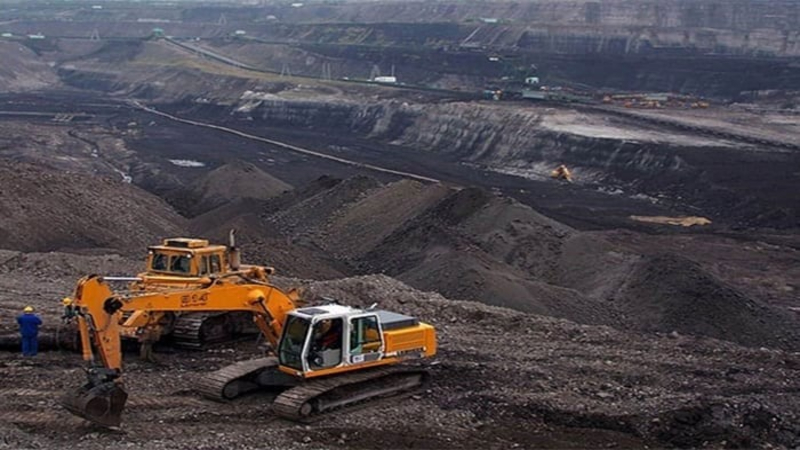
A major Chinese conglomerate is exploring a multi billion dollar investment in Pakistan aimed at expanding cooperation in mining, advanced technology, and industrial development. Officials say the proposal could involve investments ranging between five billion and ten billion dollars, potentially making it one of the largest private Chinese investment initiatives in the country in recent years.
The investment interest was presented during a meeting between representatives of Aerospace Development Industry Investment Group Co. and Pakistan’s federal authorities responsible for investment promotion. The company delegation highlighted its global portfolio of technology and industrial projects and expressed interest in developing long term partnerships that could support Pakistan’s economic growth and technological modernization.
Government officials view the proposal as a potential opportunity to strengthen industrial capacity while accelerating the adoption of advanced technologies across multiple sectors of the economy.
Chinese Technology and Industrial Group Explores Strategic Projects
The Chinese delegation was led by Lu Jinhai, chairman and party secretary of Aerospace Development Industry Investment Group Co., a conglomerate known for its investments across aerospace engineering, artificial intelligence, drone technology, electric vehicles, and energy infrastructure.
During discussions with Pakistan’s Board of Investment, the company outlined several areas where collaboration could take place. These include mineral exploration projects, development of industrial manufacturing zones, and technology initiatives designed to introduce advanced digital tools into traditional industries.
Mining projects represent one of the key areas of interest. Pakistan possesses significant reserves of minerals and natural resources, including copper, coal, and rare earth materials that are increasingly important for modern industrial supply chains. Foreign investment in mining infrastructure could help improve extraction technologies while expanding production capacity.
Technology collaboration was also highlighted as a central component of the proposed investment framework. The company’s experience in sectors such as artificial intelligence and drone systems could contribute to technology transfer and innovation partnerships within Pakistan’s industrial ecosystem.
Officials say the discussions indicate growing interest among Chinese private sector companies in participating in Pakistan’s industrial development beyond traditional infrastructure investments.
Industrial Investment Could Support Economic Expansion
Large scale foreign investment projects can play a significant role in supporting economic development, particularly in countries seeking to modernize industrial sectors and expand manufacturing capacity. Investments in mining and industrial production can generate employment opportunities while strengthening supply chains for key industries.
Pakistan’s government has been actively promoting policies designed to attract international investors across sectors such as energy, manufacturing, technology, and natural resources. The Board of Investment continues to engage with foreign companies interested in establishing operations or partnerships within the country.
Industrial projects backed by international investors often bring advanced technologies, management expertise, and global market connections. These elements can help domestic industries improve productivity and competitiveness.
The potential investment from the Chinese conglomerate could also support infrastructure development related to mining operations and manufacturing facilities. Projects of this scale typically involve supply chain logistics, engineering services, and workforce development programs.
If implemented successfully, such investments can contribute to broader economic activity by stimulating related sectors including transportation, construction, and services.
Technology Collaboration Highlights Emerging Innovation Opportunities
In addition to industrial projects, the Chinese company expressed interest in technology partnerships that could contribute to Pakistan’s digital transformation. Areas such as artificial intelligence, drone systems, and electric vehicle technologies were discussed as potential areas of cooperation.
Artificial intelligence applications are increasingly being integrated into industrial processes to improve efficiency, predictive maintenance, and operational decision making. Similarly, drone technology is being used in sectors such as mining, agriculture, and infrastructure monitoring to collect data and enhance operational oversight.
Electric vehicle technologies represent another rapidly growing sector within the global technology landscape. Partnerships in this field could support Pakistan’s efforts to develop cleaner transportation solutions and expand manufacturing capabilities for next generation automotive technologies.
Technology transfer and collaborative research programs may also become part of the broader investment framework. Such initiatives can help build local expertise in emerging technologies while encouraging innovation within domestic industries.
Government officials emphasize that international partnerships can accelerate technology adoption and support the development of skilled workforces capable of operating advanced industrial systems.
Skill Development and Workforce Training Included in Proposal
An important component of the proposed investment involves cooperation in workforce training and skill development programs. Representatives of the Chinese company indicated interest in supporting initiatives designed to enhance technical skills among Pakistan’s workforce.
Training programs could include partnerships with educational institutions and technical training centers to develop expertise in engineering, industrial technology, and digital systems. Skilled labor is considered essential for supporting large scale industrial projects and ensuring the sustainability of technology driven industries.
Workforce development initiatives may also focus on preparing workers to operate advanced machinery and digital platforms used in modern industrial environments. Building local technical expertise can help ensure that industrial investments create long term economic benefits beyond initial infrastructure construction.
Outlook
If the proposed investment moves forward, it could represent one of the largest private Chinese investment initiatives in Pakistan’s industrial sector. The project highlights growing interest in combining industrial development with advanced technologies to support economic modernization and long term growth.


USDC Circulation Expands as Stablecoin Liquidity Reenters Global Crypto Markets

Emerging Markets Turn to USDT for Cross Border Transactions as Dollar Liquidity Tightens

Crypto Liquidity and Capital Flows: Could Rising USDT Activity Influence Pakistan’s Equity Markets
Trending
 PSX3 months ago
Crypto Liquidity and Capital Flows: Could Rising USDT Activity Influence Pakistan’s Equity Markets

 PSX3 months ago
PSX Bloodbath as KSE100 Plunges Over 13,000 Points After Trading Resumes

 PSX3 months ago
PSX Plunges Over 11,000 Points as Middle East Tensions Shake Markets

 Crypto3 months ago
Ethereum Tests ‘DVT-Lite’ System to Simplify Validator Setup for Institutional Staking

 Local Affairs3 months ago
Pakistan’s Provincial Governments Accelerate Urban Development Plans

 PSX3 months ago
PSX Trading Halted After KSE30 Triggers Market Circuit Breaker

 Global Affairs3 months ago
Global Power Shifts Reshape Diplomacy as Emerging Alliances Redefine International Order

 PSX3 months ago
PSX Appoints Song Zhenwen as Shareholder Director