


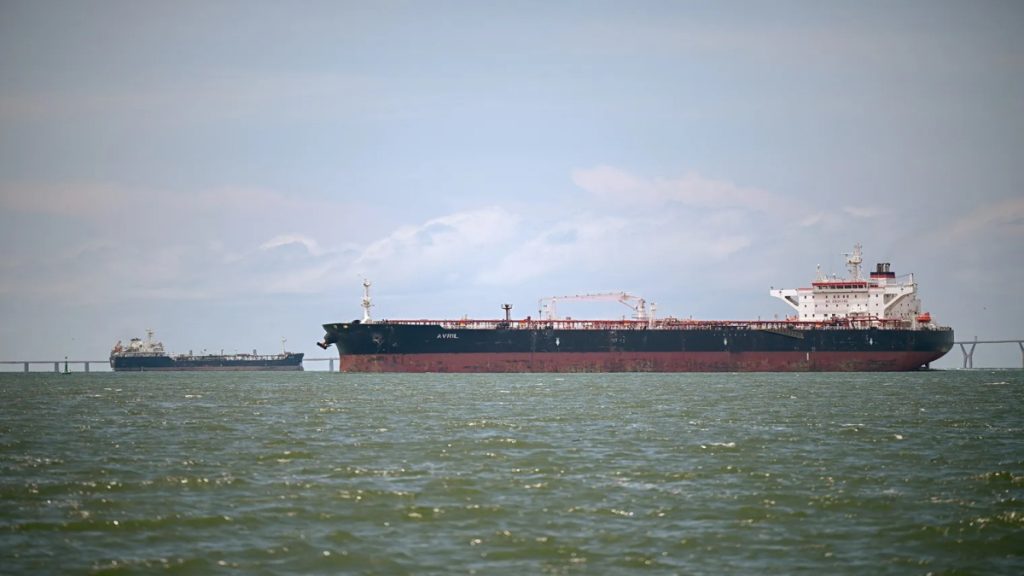
Venezuela’s crude exports from its main oil terminal are expected to rise sharply in March, pushing shipments close to their highest level in nearly seven years. Early loading schedules indicate that exports from the Jose terminal, the country’s largest oil hub, could reach around 848000 barrels per day during the month. The terminal handles the majority of Venezuela’s overseas oil shipments and plays a central role in the country’s energy trade. Industry observers say the expected increase reflects a stronger pace of cargo loading as authorities and international traders accelerate shipments under the current oversight framework governing Venezuelan oil sales. Analysts believe the increase in exports could help reduce large inventories that had accumulated in recent months while also improving cash flow for the country’s energy sector.
The Jose terminal is responsible for more than eighty percent of Venezuela’s crude exports and serves as a key gateway for oil shipments to global markets. Located on the Caribbean coast in the state of Anzoategui, the industrial complex includes storage facilities, processing plants and tanker loading terminals that allow crude oil and petroleum products to be exported to international buyers. The hub receives large volumes of heavy crude produced in the Orinoco Belt before the oil is blended and shipped abroad. Because of its scale and infrastructure the terminal has long been considered the backbone of Venezuela’s oil export system.
Shipping activity has accelerated in recent months as traders and energy companies seek to move larger volumes of Venezuelan crude to global markets. Reports from maritime tracking data indicate that several large cargoes are scheduled to depart from the Jose port during March, with shipments destined for buyers in the United States, Europe and parts of Asia. Energy companies have also begun using larger tankers to move Venezuelan crude more efficiently, helping reduce transportation costs and clear stockpiles that built up during earlier disruptions. Analysts say the use of very large crude carriers could significantly speed up export operations while allowing producers to ship greater volumes in fewer voyages.
Venezuela’s oil sector has faced major challenges in recent years due to sanctions, declining investment, and operational difficulties that reduced production capacity. Despite possessing the world’s largest proven oil reserves, the country has struggled to maintain consistent output levels. Sanctions and restrictions on international trade limited access to technology, financing, and shipping services, which contributed to declining production and export volumes. However recent changes in market conditions and the involvement of international trading firms have helped revive export flows, allowing the country to gradually rebuild its presence in global energy markets.
Energy analysts say the rising export volumes could have wider implications for global oil markets if the trend continues. Increased shipments from Venezuela may help supply refiners that process heavy crude oil while providing additional barrels to international buyers seeking alternatives to other suppliers. At the same time the situation remains closely monitored by policymakers and energy companies due to ongoing geopolitical tensions surrounding Venezuelan oil trade. Market participants say the pace of exports from the Jose terminal in the coming months will be a key indicator of whether Venezuela’s oil sector can sustain its recovery and maintain stronger production and shipment levels in the near term.