
Key Economic Indicators
US Private Sector Adds 63000 Jobs in February as Labor Market Shows Steady Growth

Published
2 days agoon

Private sector employment in the United States continued to grow in February as businesses added thousands of new jobs, reflecting steady demand in the labor market despite ongoing global economic uncertainties. According to data released by ADP, private employers created about sixty three thousand new jobs during the month. The increase indicates that hiring activity remains positive although the pace of job creation appears more moderate compared with earlier periods of stronger labor market expansion. Economists say the figures highlight continued resilience in the US employment environment while also suggesting that companies are becoming more cautious about hiring amid evolving economic conditions and global uncertainties. Labor market trends are closely monitored by policymakers and investors because employment growth often provides important signals about consumer spending and overall economic momentum.
Analysts note that the February hiring data reflects stable demand for workers across several sectors of the economy. Businesses in services industries including professional services, healthcare and hospitality continued to expand their workforce, supporting overall employment growth. These sectors remain important drivers of job creation in the US economy due to their strong connection with consumer activity and domestic demand. At the same time some industries are experiencing slower hiring due to higher borrowing costs and ongoing adjustments in global supply chains. Economists say companies are carefully balancing workforce expansion with cost management strategies as they navigate a complex economic environment that includes changing financial conditions and geopolitical uncertainties.
The labor market has remained one of the strongest pillars of the US economy over the past few years. Even as inflation pressures and interest rate adjustments influenced economic activity, employment levels continued to grow and unemployment remained relatively low by historical standards. The February payroll increase suggests that businesses are still willing to expand their workforce although at a more measured pace. Market analysts believe the gradual pace of hiring may reflect a transition toward more sustainable employment growth following a period of rapid post pandemic labor market recovery. Many companies are also focusing on productivity improvements and technology investments that may influence future hiring patterns.
Employment data from private payroll reports is often viewed as an early indicator of broader labor market trends ahead of official government employment statistics. Economists typically compare these figures with government labor reports to gain a clearer understanding of overall workforce conditions. The February employment increase indicates that companies continue to add workers although hiring momentum may be moderating slightly as economic conditions evolve. Analysts also note that labor market strength plays a key role in supporting household incomes which in turn influences consumer spending and overall economic growth.
Economic observers say future employment trends will depend on several factors including business confidence, inflation trends and global economic developments. Policymakers continue to monitor labor market data closely because employment conditions can influence decisions related to monetary policy and economic planning. As the year progresses economists expect the labor market to remain stable while businesses adjust hiring strategies in response to changes in economic growth expectations and financial conditions.
You may like
Key Economic Indicators
Singapore May Review Economic Growth Forecast Amid Rising Oil Price Risks
Published
2 days agoon
March 4, 2026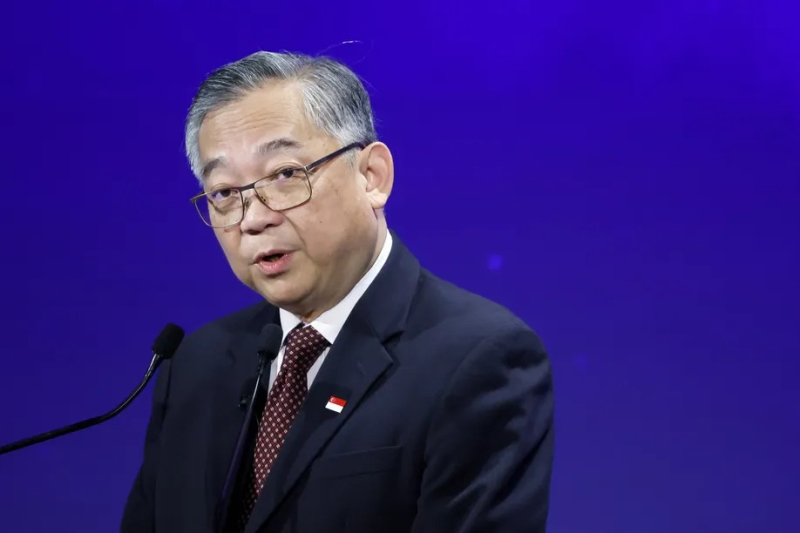
Singapore has indicated that it may reassess its economic growth outlook as tensions in the Middle East continue to raise concerns about global energy prices and economic stability. Deputy Prime Minister Gan Kim Yong told parliament that the government is closely monitoring the evolving geopolitical situation and its potential impact on energy markets. Officials believe that prolonged instability in the region could increase oil prices and raise costs for businesses and households. As a highly trade dependent economy, Singapore is particularly sensitive to global economic shifts and energy market volatility. Authorities say that if the conflict continues and energy prices rise sharply, the government may revise its forecasts for economic growth and inflation in order to reflect the changing international environment and its implications for domestic economic activity.
Singapore’s economic planning relies heavily on global trade flows and stable energy costs which makes developments in international markets especially significant. Higher oil prices can affect transportation costs, manufacturing expenses and consumer prices across many sectors of the economy. Government officials say that sustained increases in energy prices could raise operating costs for companies while also placing additional pressure on households through higher utility and transportation expenses. These pressures could ultimately influence overall economic performance if global energy markets remain volatile. Policymakers therefore remain cautious about the potential ripple effects of geopolitical tensions that may spread through global supply chains and financial markets.
The government currently maintains regular monitoring of economic indicators and international developments to ensure that policy responses remain timely and effective. Economic planners are analyzing how higher energy prices might affect key sectors including manufacturing, logistics, aviation and shipping which play central roles in Singapore’s trade oriented economy. Analysts note that fluctuations in oil prices can quickly influence shipping and transportation costs, particularly in economies that rely heavily on international trade routes. Singapore serves as a major regional logistics hub and any disruption in global shipping networks or energy supply could influence both export activity and domestic economic conditions.
Officials have also emphasized that Singapore’s policy framework allows the government to adjust forecasts and economic strategies when external risks increase. The country regularly updates projections for growth and inflation based on global market conditions and domestic economic performance. If energy prices continue to rise due to geopolitical tensions the government may revise its economic outlook to reflect higher cost pressures and slower global demand. Analysts say such adjustments are part of normal economic planning and help governments maintain transparency while preparing businesses and investors for potential changes in economic conditions.
Global economic uncertainty has increased in recent months as conflicts and geopolitical tensions influence energy markets and trade routes. For Singapore the situation highlights the importance of closely tracking developments that may affect international commerce and fuel prices. Policymakers say the government will continue monitoring global developments and evaluating how shifts in energy markets could affect inflation, trade flows and economic growth in the coming months.
Key Economic Indicators
Pakistan Cuts Gas Supply to Some Industries as Middle East Conflict Disrupts Energy Flow
Published
2 days agoon
March 4, 2026
Pakistan has begun reducing natural gas supplies to certain industrial consumers as global energy disruptions linked to the Middle East conflict start affecting regional supply chains. Authorities say the move is a precautionary measure to manage available gas resources and maintain stability in the country’s broader energy network. Pakistan relies heavily on imported liquefied natural gas to meet industrial and power sector demand, making the economy sensitive to supply disruptions in global energy markets. The latest developments come as tensions in the Middle East have disrupted major energy export facilities and shipping routes, creating uncertainty in the international gas market. Energy planners in Pakistan say maintaining a balanced distribution of available gas has become essential while policymakers monitor evolving global conditions that could influence energy availability in the coming weeks.
The country’s largest gas distribution company has informed several industrial consumers that their gas allocations may be reduced as authorities attempt to preserve supplies for priority sectors. Officials say the adjustments primarily affect industries that consume large volumes of gas for manufacturing and export production. Energy authorities have emphasized that the decision is part of a broader supply management strategy rather than an indication of a nationwide shortage. However, the move highlights the pressure on Pakistan’s energy system, which depends significantly on imported LNG cargoes. Pakistan imports a substantial portion of its liquefied natural gas from Qatar, making the country particularly exposed to disruptions in Gulf energy infrastructure and maritime shipping routes that carry LNG shipments across the region.
Global energy markets have experienced heightened volatility following disruptions to key export facilities and trade routes in the Middle East. One of the largest LNG export hubs in the region has faced operational challenges amid escalating tensions, while maritime traffic through the Strait of Hormuz has also been affected. This strategic waterway is one of the world’s most important routes for energy shipments, carrying large volumes of crude oil and liquefied natural gas to global markets. Analysts say interruptions in this corridor can quickly influence global energy prices and supply flows. Countries that rely on imported fuel, such as Pakistan, may experience indirect impacts even if domestic energy reserves remain stable.
Industrial groups have expressed concern that reduced gas supplies could temporarily affect manufacturing output if restrictions remain in place for an extended period. Many export oriented industries depend on stable energy access to maintain production schedules and meet international orders. Energy analysts note that supply adjustments during periods of global disruption are common as governments attempt to prioritize essential sectors such as power generation and residential consumption. Authorities in Pakistan have stated that they are closely monitoring global energy developments and working with suppliers to ensure that LNG cargoes continue to arrive according to contractual agreements.
Government officials have also indicated that contingency planning is underway to manage potential supply fluctuations. Energy planners are assessing domestic gas production levels and exploring alternative arrangements to ensure stable fuel availability across key sectors of the economy. Economists say the situation illustrates how geopolitical tensions in major energy producing regions can quickly influence markets far beyond the immediate conflict zone. For Pakistan, the priority remains maintaining energy stability while minimizing disruptions to industrial production and economic activity.
Key Economic Indicators
Pakistan Has Adequate Fuel Stocks but Global Conflict Could Create Pressure
Published
2 days agoon
March 4, 2026
Pakistan currently has sufficient fuel reserves, and there is no immediate shortage in the country, according to Finance Minister Muhammad Aurangzeb. However, he warned that prolonged geopolitical tensions and rising oil prices could create economic pressure if the situation continues for an extended period. Speaking during a briefing to the Senate Standing Committee on Finance, the minister said that Pakistan’s energy supply chain remains stable but authorities are closely monitoring developments in global oil markets. He emphasized that the government has not introduced any fuel rationing measures because the country has adequate petroleum reserves at present. At the same time, officials have advised the public and industries to adopt responsible fuel usage as a precautionary measure while international conditions remain uncertain. Policymakers are particularly focused on the potential impact of the ongoing conflict in the Middle East which has raised concerns about global energy supply routes and future price volatility.
During the briefing, officials informed the committee that Pakistan currently holds petrol and diesel reserves sufficient for approximately twenty eight days while crude oil stocks can support demand for about ten days. Liquefied petroleum gas and liquefied natural gas reserves are estimated to cover around fifteen days of consumption. Authorities acknowledged that some energy cargoes have faced delays due to disruptions in regional logistics networks. To offset any temporary supply challenges, the government has increased output from domestic gas fields and is working with energy companies to maintain stable distribution across the country. Officials also revealed that the finance ministry will conduct daily meetings with relevant departments to monitor fuel availability and evaluate changes in international oil prices. This monitoring mechanism aims to ensure that policymakers can respond quickly if global developments begin to affect Pakistan’s energy supply chain.
Pakistan has also begun exploring alternative supply routes in order to protect its fuel imports from possible disruptions in key maritime corridors. The government has formally approached Saudi Arabia to facilitate oil shipments through the Yanbu route as a precautionary step. Energy imports remain one of the largest components of Pakistan’s annual import bill, which makes the economy particularly sensitive to fluctuations in global crude prices. Analysts say that any sustained increase in oil prices could widen the country’s trade deficit and add pressure on foreign exchange reserves. Policymakers therefore remain focused on maintaining stable fuel supplies while also managing the broader economic impact of international market volatility and geopolitical risks.
State Bank of Pakistan Governor Jamil Ahmad also briefed the committee on the country’s macroeconomic outlook and external financial position. He noted that foreign exchange reserves have improved in recent months and currently stand above sixteen billion dollars. The central bank expects reserves to reach around eighteen billion dollars by June and potentially approach twenty billion dollars by the end of the year if current trends continue. According to the governor these reserves were built largely through market purchases rather than additional external borrowing which helped strengthen Pakistan’s financial buffers. He also highlighted that inflation during the current fiscal year is expected to remain between five and seven percent although geopolitical tensions and rising energy prices could influence price levels in the months ahead.


Pakistan and Germany explore new business cooperation during Karachi meeting

SECP approves LSE Capital voluntary de registration from modaraba business

Chinese investment group explores $5 billion to $10 billion projects in Pakistan
Trending

 Fashion9 years ago
These ’90s fashion trends are making a comeback in 2017
- Entertainment9 years ago
The final 6 ‘Game of Thrones’ episodes might feel like a full season
- Fashion9 years ago
According to Dior Couture, this taboo fashion accessory is back
- Entertainment9 years ago
The old and New Edition cast comes together to perform
- Sports9 years ago
Phillies’ Aaron Altherr makes mind-boggling barehanded play
- Business9 years ago
Uber and Lyft are finally available in all of New York State
- Entertainment9 years ago
Disney’s live-action Aladdin finally finds its stars
- Sports9 years ago
Steph Curry finally got the contract he deserves from the Warriors