


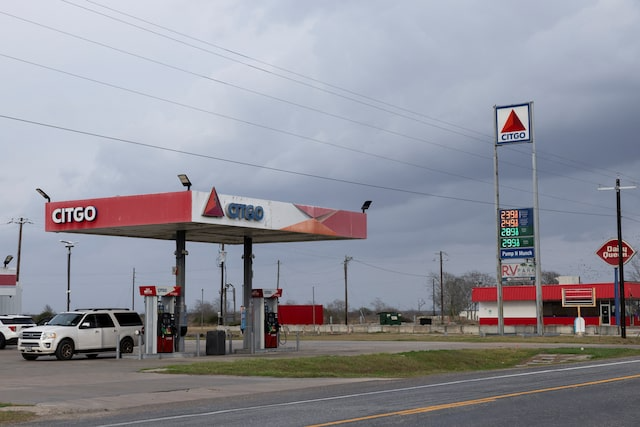
Fuel prices in the United States surged sharply as the average retail price of diesel crossed the $4 per gallon mark for the first time in nearly two years. The jump in prices comes amid rising geopolitical tensions in the Middle East, where ongoing conflict involving the United States, Israel, and Iran has disrupted global energy markets. Diesel prices climbed by nearly 15 cents in a single day to reach an average of $4.04 per gallon, marking the largest daily increase since early 2022 when the Russia-Ukraine war triggered a major shock in global energy markets. Analysts warn that continued instability in the region could push diesel prices even higher in the coming days as supply concerns intensify.
The surge in diesel prices is closely linked to disruptions in energy infrastructure and shipping routes in the Middle East. Iran’s response to recent military strikes has included attacks on energy facilities and interference with shipping activity in the Strait of Hormuz, one of the most critical oil and fuel transit routes in the world. This corridor handles a significant share of global oil and fuel shipments, making it highly sensitive to geopolitical tensions. As shipping risks rise and transportation costs increase, energy markets have reacted with sharp price movements. Diesel futures in the United States climbed to around $3.45 per gallon during trading, reaching their highest levels since late 2024.
Diesel plays a critical role in the global economy because it powers freight transportation, manufacturing equipment, agricultural machinery, and various industrial operations. When diesel prices increase, the impact often spreads across multiple sectors of the economy. Higher transportation costs can lead to rising prices for consumer goods, including food, construction materials, and retail products. Energy analysts believe that the current spike in diesel prices could begin affecting supply chains and production costs if geopolitical tensions continue to escalate. Rising fuel prices are already raising concerns among businesses that rely heavily on transportation and logistics.
Market analysts suggest that diesel prices could continue climbing in the near term if disruptions in global energy trade persist. According to industry forecasts, average retail diesel prices could move toward the $4.25 to $4.45 per gallon range in the coming days. The tightness in the diesel market has been intensified by strong winter demand for heating and power generation in several parts of the world. At the same time, limited refining capacity in many regions has reduced the ability of global markets to respond quickly to supply disruptions. These structural challenges have made diesel prices particularly sensitive to geopolitical developments.
Rising fuel costs are also becoming a political concern in the United States as inflation continues to affect household budgets. Higher diesel prices can increase transportation costs across industries, which may ultimately raise the price of essential goods. Economists warn that prolonged increases in fuel costs could affect food prices if farmers face higher expenses for operating agricultural equipment. Additionally, shipping costs may rise if tanker transportation in the Middle East becomes more expensive due to security risks. As global markets closely monitor developments in the region, energy traders and policymakers are preparing for continued volatility in fuel prices and broader economic impacts.