
PMEX
US Defense Department Moves to Expand Strategic Stockpile of Critical Metals

Published
18 hours agoon
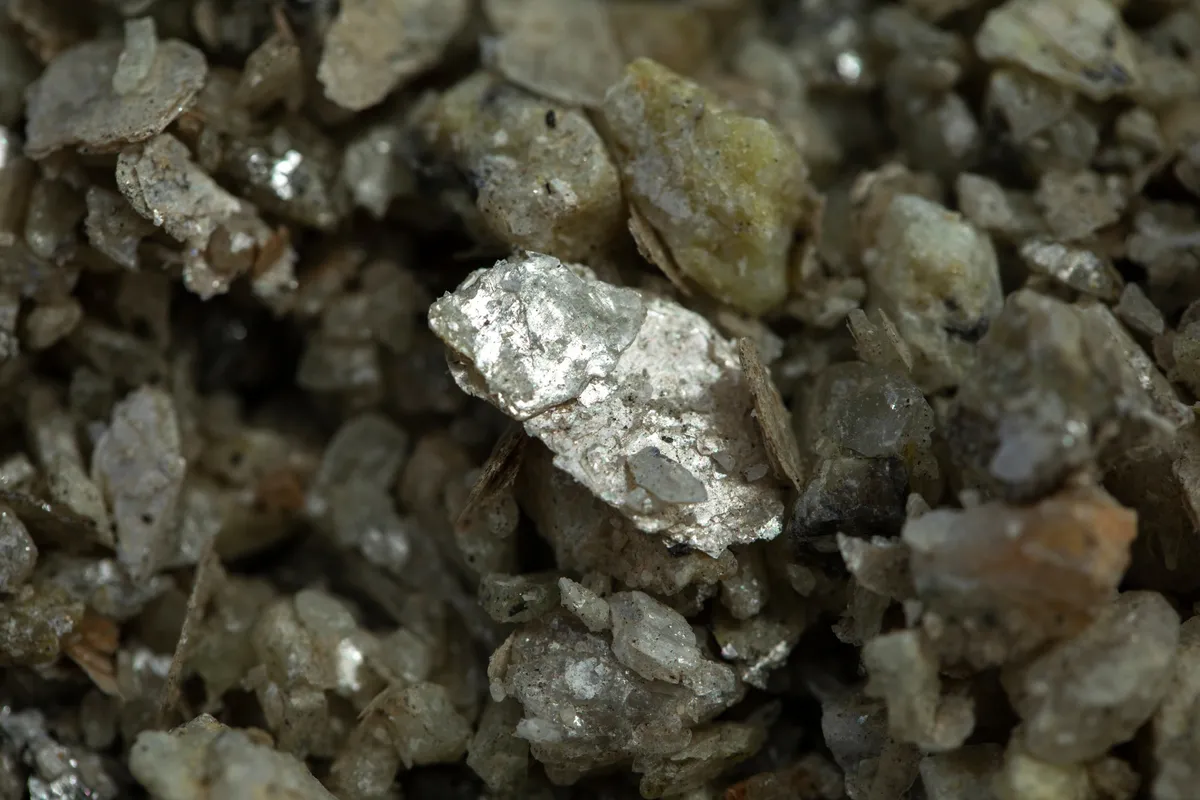
The United States Department of Defense has begun exploring plans to expand its strategic stockpile of critical minerals as part of a broader effort to strengthen supply chain resilience and secure materials essential for national security and advanced technologies. The Defense Logistics Agency (DLA), which manages the National Defense Stockpile, has issued requests for information regarding the potential procurement and storage of several key metals. The initiative reflects growing concern in Washington over the vulnerability of global supply chains and the increasing strategic importance of minerals used in defense systems, energy technologies, and advanced electronics.
The agency is seeking information related to five critical minerals: lithium, nickel, tin, chromium, and tellurium. Notices published by the Defense Logistics Agency call on potential suppliers and industry participants to provide details about available materials, product specifications, sourcing options, and current market conditions. The request also invites companies to outline their capacity to supply these metals and the potential availability of domestic or allied sources. Such consultations are often an early step before governments move forward with formal procurement programs designed to build or expand strategic reserves.
Lithium and nickel have become especially important in recent years due to their central role in battery production and energy storage technologies. These materials are widely used in electric vehicles, renewable energy systems, and various military applications that rely on advanced power systems. As global demand for batteries accelerates, competition for these minerals has intensified, prompting governments to prioritize access to reliable supply sources. By expanding its stockpile of these materials, the United States aims to reduce potential disruptions and ensure that critical industries can continue operating during periods of geopolitical or market instability.
Chromium and tin are also essential components in a range of industrial and defense applications. Chromium is widely used in the production of stainless steel and corrosion-resistant alloys, which are vital for military equipment, infrastructure, and aerospace technologies. Tin plays a crucial role in electronics manufacturing, particularly in solder used to connect electronic components on circuit boards. Tellurium, though less widely known, is a strategic mineral used in advanced semiconductors, solar energy technologies, and certain specialized defense systems. Together, these materials form an important foundation for modern industrial and military capabilities.
The move comes at a time when governments around the world are increasingly concerned about supply chain security and the concentration of critical mineral production in a limited number of countries. Many key minerals are mined or processed in regions that may be subject to geopolitical tensions, trade restrictions, or environmental challenges. These risks have prompted policymakers to explore strategies that include diversifying supply sources, encouraging domestic production, and building national reserves to cushion potential supply shocks.
Expanding the National Defense Stockpile would provide the United States with a buffer against market volatility and geopolitical disruptions. Strategic reserves allow governments to maintain access to essential materials even if international supply chains are interrupted. Analysts note that such measures are becoming increasingly common as global competition for critical resources intensifies and countries seek to secure the materials needed for emerging technologies and national defense capabilities.
You may like
PMEX
Emerging Market Currency Volatility Surpasses Developed Markets After Long Period of Stability
Published
18 hours agoon
March 5, 2026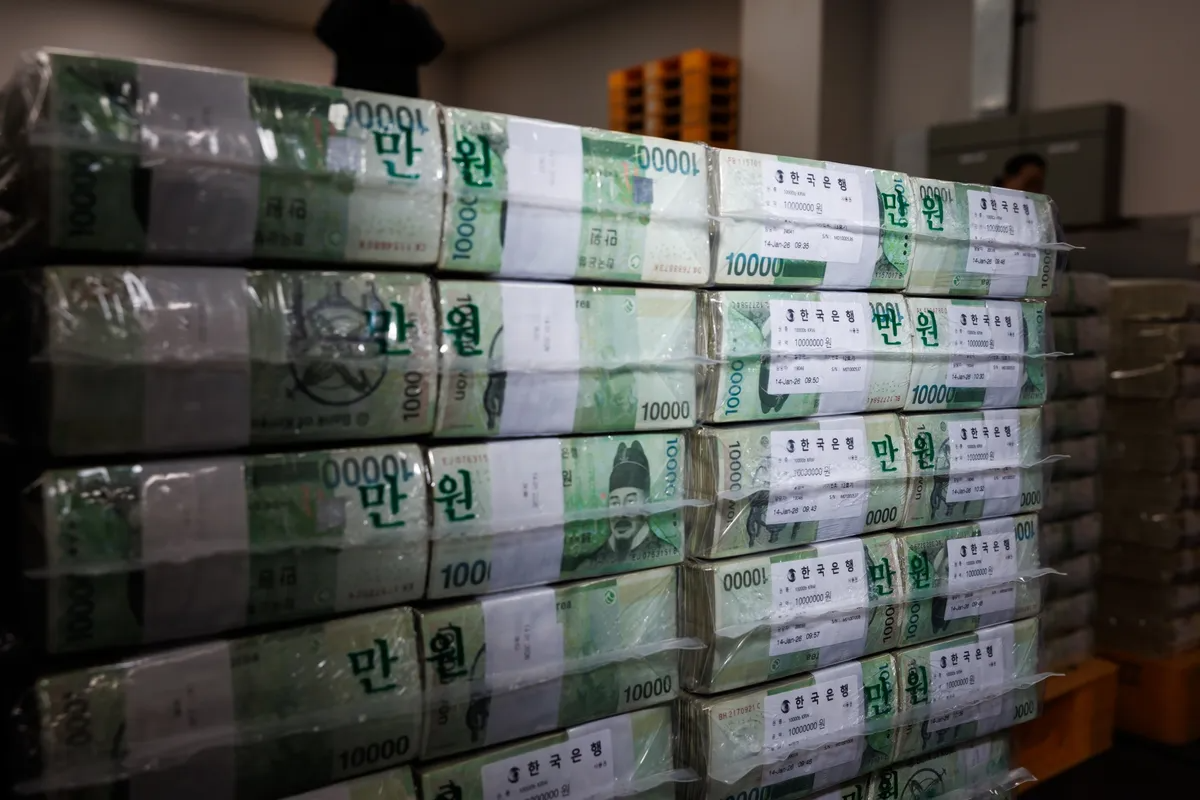
Currency volatility across emerging markets has climbed sharply this week, overtaking fluctuations seen in developed economies for the first time in months. The shift marks the end of an unusually long period during which emerging-market currencies remained calmer than those of major advanced economies. Analysts say the sudden increase in volatility reflects rising geopolitical tensions, shifting global capital flows, and heightened uncertainty in energy markets. As investors reassess risk exposure, emerging-market currencies have begun to move more sharply against the US dollar and other major currencies.
Market indicators tracking currency volatility show that fluctuations in emerging-market foreign exchange markets have now exceeded those in developed economies. This reversal follows more than 200 consecutive days during which emerging-market currencies recorded lower volatility compared with those of the world’s largest economies. Such a prolonged period of stability was historically rare and reflected strong capital inflows, stable commodity markets, and relatively predictable global financial conditions. However, the recent escalation of geopolitical tensions and commodity price swings has abruptly changed the landscape.
A key factor behind the renewed volatility is the surge in global energy prices. Oil markets have reacted strongly to rising tensions in the Middle East, pushing crude prices to their highest levels in several months. Since many emerging economies are heavily dependent on energy imports, higher oil prices can weaken their currencies by increasing trade deficits and raising inflationary pressures. As energy costs climb, investors often shift toward safer assets, which tends to put additional pressure on emerging-market currencies.
Equity market movements have also contributed to the sudden increase in currency swings. Several Asian markets have experienced sharp declines amid concerns about geopolitical risks and economic uncertainty. Large movements in stock markets often trigger shifts in foreign capital flows, which can quickly influence currency markets. When investors withdraw funds from emerging economies during periods of uncertainty, local currencies tend to depreciate more rapidly.
Another important factor influencing foreign exchange markets is the strengthening of the US dollar. During periods of global uncertainty, the dollar typically benefits from its status as the world’s primary reserve currency and a perceived safe-haven asset. When demand for dollars increases, emerging-market currencies often weaken as capital flows move toward US assets such as Treasury bonds and other low-risk investments.
Despite the recent surge in volatility, some analysts believe the movement may represent a temporary adjustment rather than a prolonged trend. Currency markets had experienced an extended period of calm before the latest geopolitical developments and commodity price spikes disrupted the balance. If global tensions ease and commodity prices stabilize, volatility in emerging-market currencies could moderate again. However, investors remain cautious as geopolitical risks, energy market disruptions, and shifting monetary policy expectations continue to influence global financial markets.
PMEX
Escalating Iran Conflict Threatens Brazil’s Grain Exports and Fertilizer Supply Chain
Published
19 hours agoon
March 5, 2026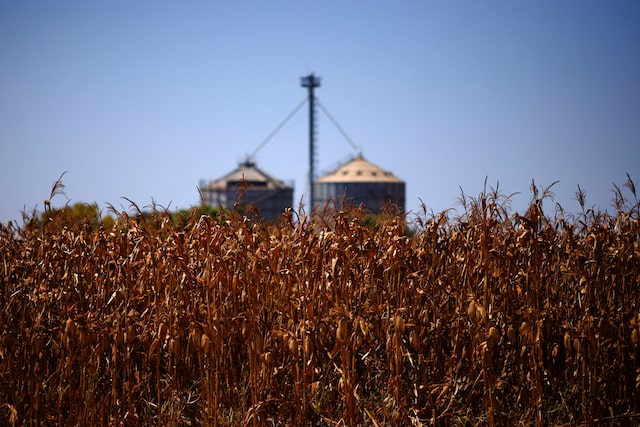
Brazil’s agricultural sector is facing growing uncertainty as the expanding conflict in the Middle East begins to disrupt global trade routes and fertilizer supplies. Analysts warn that the ongoing confrontation involving Iran could significantly impact Brazil’s grain exports and the availability of key agricultural inputs, particularly fertilizers sourced from the region. The disruption is largely tied to instability in the Strait of Hormuz, a vital shipping route through which a substantial portion of global energy and commodity trade flows. As tensions rise, concerns are mounting that shipping delays and logistical challenges could affect Brazil’s ability to deliver agricultural products to key international markets.
The Middle East has long been an important destination for Brazilian agricultural exports, including corn, soybeans, and other staple crops. Brazil is expected to surpass the United States this year as the world’s largest corn exporter, making stable trade routes critical for maintaining its export momentum. However, increasing security threats around maritime corridors have raised the risk of shipment delays and potential contract cancellations. If freight routes remain unstable, traders fear that buyers in the Middle East could seek alternative suppliers, potentially affecting Brazil’s agricultural revenues and market share in global grain trade.
Beyond export risks, Brazil also faces serious challenges related to fertilizer supplies. The country relies heavily on imported fertilizers to support its vast agricultural production, and a significant portion of those supplies originate from the Middle East. Urea, one of the most widely used nitrogen-based fertilizers, is particularly important for Brazilian farmers. Iran has historically been a major exporter of urea, and disruptions to its production or shipping capacity could tighten global fertilizer markets. Any prolonged disruption could lead to higher input costs for farmers and reduced availability of critical nutrients needed for crop growth.
Agricultural analysts say fertilizer shortages could have cascading effects across Brazil’s farming sector. Higher fertilizer prices would raise production costs for farmers, potentially reducing profit margins and influencing planting decisions for upcoming crop cycles. If supplies become scarce, some producers may be forced to cut back on fertilizer usage, which could affect crop yields and overall agricultural productivity. Given Brazil’s role as a leading global supplier of soybeans, corn, and other commodities, disruptions in its agricultural output could also ripple through international food markets.
The situation highlights the interconnected nature of global commodity supply chains, where geopolitical tensions can quickly influence agriculture and food production. Brazil’s heavy reliance on imported fertilizers makes it particularly vulnerable to international supply disruptions. Meanwhile, the country’s export-oriented farming industry depends on stable shipping routes and predictable global demand. If the Middle East conflict continues to escalate, both fertilizer supply chains and maritime logistics could face prolonged instability, complicating planning for exporters and farmers alike.
While it remains uncertain how long the conflict will last, market participants are closely monitoring developments in global energy routes and fertilizer markets. Any further escalation could intensify supply constraints and push agricultural input prices higher. For Brazil’s farming sector, maintaining access to fertilizers and ensuring uninterrupted export logistics will be crucial in safeguarding production levels and sustaining its growing role in global agricultural trade.
PMEX
PMEX Plans to Launch Futures Trading for Rice, Maize and Sugar
Published
2 days agoon
March 4, 2026
ISLAMABAD: The Pakistan Mercantile Exchange (PMEX) is preparing to introduce futures trading in key agricultural commodities including rice, maize, and sugar in the coming months, expanding its product offerings beyond precious metals.
PMEX Chief Executive Officer Khurrum Zafar announced on Monday that all regulatory and operational requirements for launching trading in these commodities have been completed. According to him, rice futures are expected to begin trading in the near future, while sugar contracts are likely to be introduced in the next quarter.
Speaking at a meeting with stakeholders, Zafar encouraged banks, traders, and investors from Islamabad and nearby regions to participate in commodity trading through the regulated exchange platform.
He emphasized the need to transition Pakistan’s traditional mandi-based agricultural trading system, which has existed for more than a century, into a modern digital marketplace. According to Zafar, introducing commodity futures trading can help bring transparency and efficiency to agricultural markets.
The goal is to create meaningful change for farmers who frequently suffer due to price volatility and market distortions, he said.
PMEX has already finalized agreements with dealers and sugar mills to facilitate sugar futures trading on the exchange. Meanwhile, the two other agricultural commodities maize and rice will soon be added to the trading platform as well.
PMEX operates as Pakistan’s only commodity futures exchange licensed and regulated by the Securities and Exchange Commission of Pakistan (SECP). Officials stressed that any individual, platform, or group offering commodity trading services outside the PMEX regulatory framework should be considered unregulated. Investors are advised to trade only through licensed PMEX brokers.
During the event, PMEX Director Zahid Latif highlighted the benefits of organized commodity trading, particularly in improving price discovery and risk management across the agricultural supply chain.
He explained that futures trading allows farmers, traders, and consumers to hedge against price fluctuations, creating a more stable market environment.
However, Latif also pointed out that Pakistan needs a more reliable accredited warehousing system. Such a system would enable traders, especially those operating in remote areas, to trust the quality and standards of stored agricultural produce without needing to physically inspect it.
Market experts believe that introducing agricultural commodity futures could modernize Pakistan’s commodity markets, improve transparency, and offer farmers better protection against unpredictable price cycles.


Pakistan and Germany explore new business cooperation during Karachi meeting

SECP approves LSE Capital voluntary de registration from modaraba business

Chinese investment group explores $5 billion to $10 billion projects in Pakistan
Trending

 Fashion9 years ago
These ’90s fashion trends are making a comeback in 2017
- Entertainment9 years ago
The final 6 ‘Game of Thrones’ episodes might feel like a full season
- Fashion9 years ago
According to Dior Couture, this taboo fashion accessory is back
- Entertainment9 years ago
The old and New Edition cast comes together to perform
- Sports9 years ago
Phillies’ Aaron Altherr makes mind-boggling barehanded play
- Business9 years ago
Uber and Lyft are finally available in all of New York State
- Entertainment9 years ago
Disney’s live-action Aladdin finally finds its stars
- Sports9 years ago
Steph Curry finally got the contract he deserves from the Warriors