


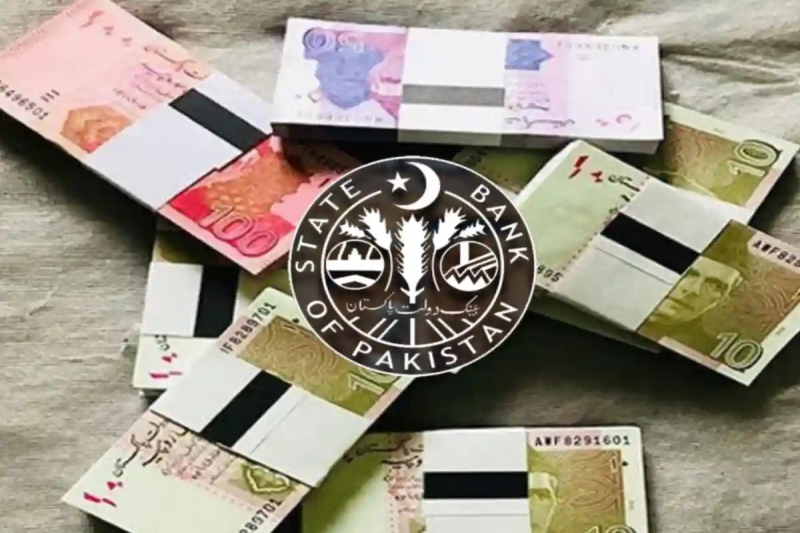
The State Bank of Pakistan (SBP) has announced that fresh currency notes will not be issued to the public ahead of Eidul Fitr 2026, marking a departure from the long-standing practice of distributing newly printed banknotes during the festive season. The central bank confirmed that commercial banks will instead provide clean and ATM-fit currency notes from their existing stock to meet the seasonal demand for cash. The update is important for millions of Pakistanis who traditionally seek fresh banknotes before Eid to give “Eidi,” the customary cash gift presented to children and family members during the celebrations.
Central Bank Clarifies Policy for Eidul Fitr 2026
According to the latest announcement, the State Bank of Pakistan will not arrange the usual distribution of newly printed banknotes through commercial banks or special counters this year. In previous years, the central bank facilitated the issuance of fresh currency notes through designated bank branches across the country in the days leading up to Eid. These arrangements allowed the public to obtain crisp new banknotes specifically printed or reserved for the festive period. However, the central bank has confirmed that such distribution will not take place for Eidul Fitr 2026, meaning citizens will not be able to obtain newly issued notes through the traditional channels that were widely used in the past.
Discontinuation of the SMS Service for Fresh Notes
Another significant change announced by the central bank involves the discontinuation of the SMS-based service previously used to obtain fresh currency notes. In earlier years, people could request new banknotes through a dedicated SMS service, after which they would receive instructions to collect the notes from designated bank branches. The service, which operated through the number 8877, was introduced to streamline the process and reduce long queues outside banks during the Eid season. The central bank has now confirmed that the SMS facility will not be operational for Eidul Fitr 2026. As a result, citizens will not be able to reserve fresh notes through mobile registration as they had done in previous years.
Banks to Provide Clean Notes from Existing Currency Stock
While fresh banknotes will not be distributed this year, commercial banks will continue to supply clean and ATM-fit currency notes to customers from their existing reserves. These notes are expected to meet public demand during the Eid season when cash transactions typically increase. Banks regularly maintain stocks of usable and good-quality notes that are circulated through ATMs and counters as part of normal banking operations. By providing these notes, financial institutions aim to ensure that the public continues to have access to suitable currency during the festive period without the need for special distribution campaigns.
Tradition of Eidi and Public Demand for New Notes
The demand for fresh currency notes before Eid has long been associated with the tradition of giving Eidi, a cultural practice deeply rooted in Pakistani society. Families often exchange crisp banknotes with children and relatives as part of Eid celebrations, which has historically created strong public demand for newly printed currency in the days leading up to the holiday. The State Bank of Pakistan has traditionally responded to this demand by distributing fresh notes through banks and special counters nationwide. The service became particularly popular in urban centers where thousands of people visited bank branches to collect new notes for the occasion. The absence of newly issued notes this year may therefore alter a long-standing seasonal practice for many households.
Shift Toward Digital Payments and Modern Financial Systems
Alongside the announcement regarding fresh currency notes, the State Bank of Pakistan has encouraged citizens to consider using digital payment options and e-wallet services for transactions during the Eid season. The central bank has been actively promoting digital financial services as part of broader efforts to modernize Pakistan’s financial system and reduce reliance on physical cash. Digital payments, mobile banking applications, and electronic wallets have gained increasing popularity in recent years, allowing individuals to send and receive money quickly and securely. By encouraging the use of these technologies, policymakers aim to improve financial efficiency while also reducing the costs associated with printing and distributing large quantities of physical currency.
Implications for the Banking System and Currency Circulation
The decision not to issue fresh banknotes for Eidul Fitr 2026 also reflects broader efforts to manage currency circulation more efficiently. Printing, distributing, and replacing banknotes requires significant logistical planning and operational costs for the central bank and commercial banking sector. By relying on existing stocks of clean notes instead of printing additional currency for seasonal demand, the financial system can reduce operational pressure during peak periods. The policy also aligns with ongoing initiatives to encourage electronic payments and improve financial inclusion through digital platforms.
Outlook for Currency Use During Eidul Fitr
Although fresh banknotes will not be issued this year, banks are expected to ensure the availability of clean and usable currency for customers ahead of Eid. The shift may also accelerate the adoption of digital payment methods as more people explore alternatives to cash-based transactions during festive occasions. Over time, such policy directions could contribute to broader changes in how financial transactions are conducted across the country.