


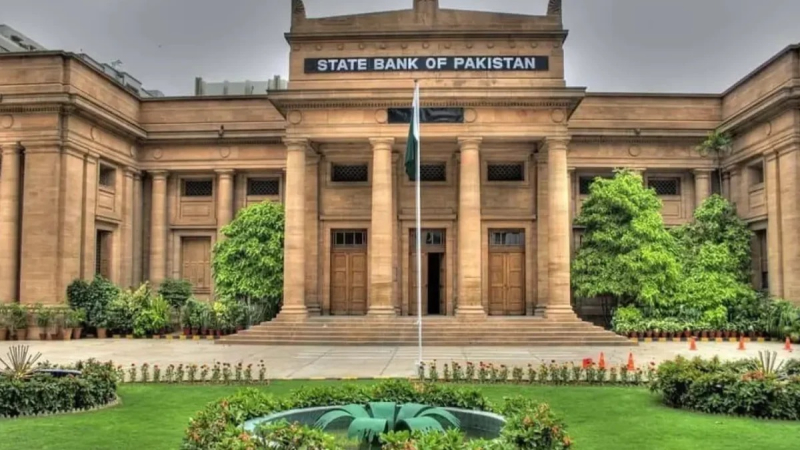
The State Bank of Pakistan (SBP) has revoked the authorization of Riaz Exchange Company (Pvt.) Ltd. to conduct foreign exchange business after the company voluntarily requested the closure of its operations. According to an official statement issued by the central bank, the revocation became effective from the date the exchange company ceased its activities. The move formally ends the company’s status as a licensed exchange operator in Pakistan’s regulated foreign exchange market. Exchange companies in the country operate under strict licensing rules issued by the central bank and are required to comply with regulatory frameworks governing currency exchange transactions, remittance services, and foreign currency trading.
Central Bank Confirms Revocation of Authorization
The announcement was made by the External Communications Department of the State Bank of Pakistan, which confirmed that the revocation was carried out following a request submitted by the company itself. According to the central bank’s statement, the company approached the regulator seeking the cancellation of its authorization after deciding to shut down its operations. The revocation therefore reflects a voluntary closure rather than a regulatory enforcement action. The central bank clarified that once the authorization was withdrawn, the company automatically lost the legal right to conduct any business involving foreign exchange transactions in Pakistan. The revocation ensures that only licensed and active entities remain operational in the country’s regulated currency exchange sector.
Company No Longer Allowed to Conduct Foreign Exchange Business
With the revocation of its authorization, Riaz Exchange Company (Pvt.) Ltd. is no longer permitted to carry out any activity related to the foreign exchange market. This includes currency buying and selling, remittance services, and any other financial operations involving foreign currencies. The State Bank emphasized that once an exchange company’s license is withdrawn or revoked, the firm must completely cease all operations linked to foreign exchange dealings. Such measures are part of the central bank’s regulatory framework designed to maintain transparency and accountability within the financial system. By ensuring that only licensed institutions operate in the market, regulators aim to protect consumers and maintain confidence in the country’s foreign exchange sector.
Role of Exchange Companies in Pakistan’s Financial System
Exchange companies play a crucial role in Pakistan’s financial ecosystem by facilitating currency exchange services and handling international remittance flows. These firms provide individuals and businesses with access to foreign currency for travel, trade, and other international transactions. In addition to currency exchange, many exchange companies also handle inward remittances sent by overseas Pakistanis through global money transfer networks. Because these companies deal directly with foreign currencies and cross-border financial flows, they operate under close regulatory oversight from the State Bank of Pakistan. Licensing requirements, compliance standards, and operational guidelines are designed to ensure transparency and prevent financial misconduct within the sector.
Regulatory Oversight of the Foreign Exchange Market
The State Bank of Pakistan regulates exchange companies through a comprehensive licensing and monitoring system. Companies wishing to operate in the foreign exchange market must obtain authorization from the central bank and comply with strict operational and financial requirements. These requirements include maintaining proper financial records, implementing anti-money laundering controls, and ensuring that all transactions are conducted through approved channels. The regulator also monitors exchange companies to ensure that they comply with the rules governing currency trading and remittance operations. If a company decides to cease operations, it must formally notify the central bank and complete the required procedures to cancel its authorization.
Importance of Licensing for Currency Exchange Operations
Licensing plays a key role in maintaining order and transparency in Pakistan’s foreign exchange market. By restricting currency exchange activities to licensed entities, the central bank ensures that financial transactions involving foreign currencies are conducted through regulated channels. This system helps reduce risks associated with illegal currency trading and protects the integrity of the financial sector. Licensed exchange companies are required to follow strict reporting and compliance procedures, which allows regulators to monitor currency flows and maintain oversight of foreign exchange transactions across the country. Such regulatory frameworks are considered essential for safeguarding financial stability and maintaining trust in the formal financial system.
Impact of the Closure on the Exchange Market
The closure of a single exchange company typically has limited impact on the overall functioning of the foreign exchange market, as numerous licensed operators continue to provide currency exchange services across the country. Pakistan’s exchange company sector includes several established firms operating under regulatory supervision, ensuring that individuals and businesses have access to foreign currency services. The revocation of Riaz Exchange Company’s authorization therefore represents an administrative update rather than a disruption to the broader currency exchange system. Customers who previously used the company’s services can continue conducting transactions through other licensed exchange companies and commercial banks operating in the market.
Outlook for Pakistan’s Exchange Company Sector
Pakistan’s foreign exchange sector continues to operate under the supervision of the State Bank of Pakistan, with licensed exchange companies playing an important role in facilitating currency transactions and remittance flows. The central bank’s regulatory oversight is expected to remain focused on strengthening compliance standards, improving transparency, and ensuring that all foreign exchange activities are conducted through authorized channels. As financial regulations evolve, exchange companies will continue to operate within a structured framework designed to support stability in the country’s currency markets.