


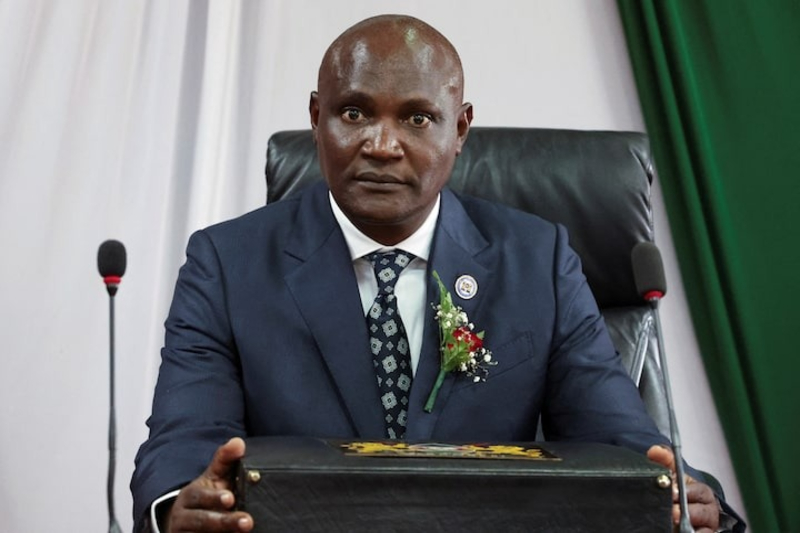
Kenya has clarified that the current visit by an International Monetary Fund delegation is not expected to result in a new financial support agreement at this stage. Finance Minister John Mbadi said discussions between Kenyan authorities and IMF officials are primarily focused on technical engagement rather than negotiating a fresh lending program. The IMF team arrived in Nairobi from its headquarters in Washington last week and is expected to complete its visit in the coming days. Officials explained that the purpose of the mission is to review economic conditions and continue dialogue on fiscal management and policy frameworks. While Kenya has expressed interest in securing another IMF support program, the government has indicated that negotiations remain in an early phase and a formal lending agreement is still some distance away.
Kenya previously concluded a financial support arrangement with the IMF that provided approximately 3.6 billion dollars in funding aimed at supporting economic reforms and stabilizing public finances. That program ended last April, prompting authorities to explore options for continued engagement with the international lender. Government officials have since requested a new support arrangement to assist with fiscal management and economic reforms. However the finance minister emphasized that the ongoing discussions should not be interpreted as negotiations for immediate financial assistance. Instead the current meetings are intended to review economic indicators, fiscal policies and structural reform progress before any future agreement is considered.
The Kenyan government has also stated that potential IMF financing has not been included in its current budget planning. This approach reflects a strategy aimed at maintaining financial stability while exploring alternative sources of funding for development projects. In recent months Kenya has raised capital through international markets including a major Eurobond issuance that generated more than two billion dollars. Authorities have also been examining other financial instruments to support infrastructure and development initiatives. Officials say these measures are designed to diversify funding sources and reduce reliance on a single financing channel while maintaining progress on economic development priorities.
Another strategy being considered by the government involves securitization of certain revenue streams to finance development projects. This approach allows authorities to convert expected future revenues into upfront funding that can be used for infrastructure investments and economic programs. While such strategies can help address immediate financing needs they may also complicate discussions with international financial institutions because they influence fiscal projections and debt management strategies. Economists say the government must carefully balance these financing options with long term fiscal sustainability and macroeconomic stability.
Analysts believe that the continued dialogue between Kenya and the IMF reflects the country’s ongoing effort to maintain international financial confidence while strengthening economic management. Technical engagements between governments and international lenders are common steps before formal lending negotiations begin. For Kenya the discussions provide an opportunity to review economic reforms, fiscal performance and financial strategies while assessing the potential structure of future cooperation with the IMF. Observers say the outcome of these consultations will shape how Kenya approaches fiscal planning and international financing in the coming years.