


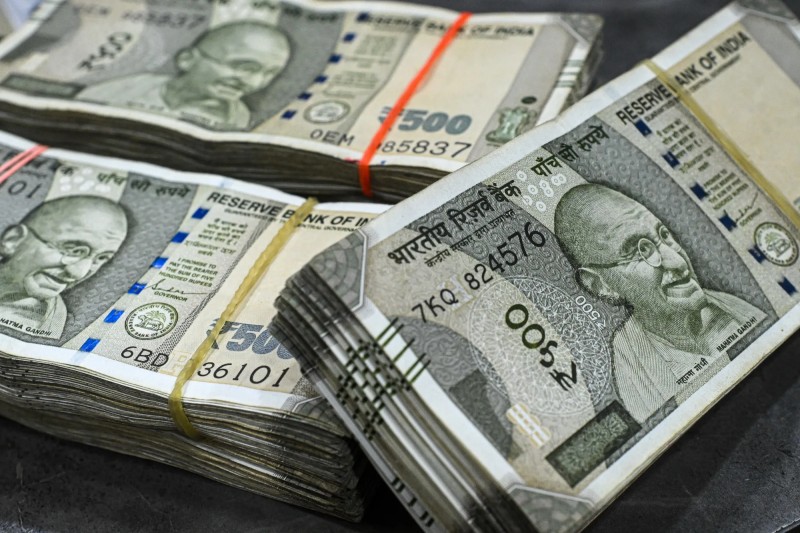
India’s currency recorded the strongest gain among Asian currencies after the country’s central bank stepped in to stabilize the market following a sharp decline in the previous session. The Indian rupee strengthened significantly during trading as the Reserve Bank of India (RBI) reportedly intervened in both offshore and domestic currency markets. The rupee gained around 0.7 percent at its peak, rising to approximately 91.51 against the US dollar. The recovery came after the currency had earlier fallen to a record low, prompting authorities to take action in order to limit further depreciation and stabilize investor sentiment in the foreign exchange market.
Market participants indicated that the RBI sold US dollars in the market to support the rupee and curb excessive volatility. The intervention was observed in both onshore and offshore trading markets, according to sources familiar with the developments. Central bank intervention in currency markets is typically aimed at reducing extreme fluctuations and ensuring orderly market conditions. Analysts noted that the rupee had come under pressure due to rising global uncertainties and higher oil prices, which tend to weaken currencies of oil-importing nations. By supplying dollars into the market, the central bank was able to temporarily strengthen the rupee and restore some stability.
The recent weakness in the rupee has been linked to several external pressures affecting emerging market currencies. Rising oil prices have increased concerns about India’s import costs because the country depends heavily on imported energy to meet domestic demand. Higher crude oil prices often lead to a widening trade deficit and create downward pressure on the national currency. In addition to energy market concerns, global investors have also been reacting to geopolitical tensions and shifting monetary policy expectations in major economies. These factors have contributed to increased volatility across many emerging market currencies.
Financial analysts believe that the RBI’s intervention reflects the central bank’s commitment to maintaining currency stability and preventing excessive speculation in the foreign exchange market. While authorities generally allow the rupee to move based on market forces, they may intervene when fluctuations become too sharp or disruptive. Currency stability is particularly important for emerging economies because rapid depreciation can increase inflationary pressures and affect investor confidence. By acting quickly, the RBI aims to maintain orderly trading conditions and reassure investors about the strength of India’s financial system.
Despite the latest rebound, currency markets are expected to remain sensitive to global developments. Investors are closely monitoring geopolitical tensions, global oil price movements, and international trade developments that could influence the direction of emerging market currencies. For India, the outlook for the rupee will depend on several factors including energy prices, foreign investment flows, and domestic economic performance. Market participants expect the central bank to continue monitoring the currency closely and intervene if necessary to prevent excessive volatility in the coming weeks.