Uncategorized
IMF Says Global Economic Impact of Middle East War Depends on Duration and Energy Prices
Published
2 days agoon

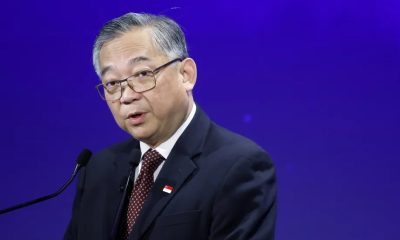
The International Monetary Fund has warned that the economic impact of the ongoing conflict in the Middle East will largely depend on how long the war continues and how severely it disrupts infrastructure, energy markets and trade routes. IMF First Deputy Managing Director Dan Katz said the situation remains uncertain and its consequences for the global economy could vary depending on whether energy price increases remain temporary or become prolonged. Speaking at an international finance conference in Washington, Katz explained that geopolitical tensions in a major energy producing region have the potential to influence inflation, economic growth and financial market stability around the world. However he noted that it is still too early to fully assess the scale of the economic consequences because the conflict continues to evolve and its effects on global supply chains and industries are still developing.
The IMF had previously projected global economic growth of around 3.3 percent for 2026 before the recent escalation of tensions in the region. That forecast was supported by continued investment in new technologies and stronger productivity expectations in several major economies. However the outbreak of conflict has introduced new uncertainties that could influence global economic conditions. Rising oil prices are among the most immediate concerns because energy costs affect transportation, manufacturing and consumer spending across many sectors of the global economy. If energy prices remain elevated for an extended period they could slow economic growth while increasing inflationary pressure in multiple countries.
Energy markets have already shown signs of volatility following the escalation of tensions in the region. Oil prices rose significantly as investors reacted to fears that disruptions in shipping routes and production facilities could limit supply. Brent crude prices climbed to around eighty three dollars per barrel which represented a sharp increase compared with previous levels. Analysts say that energy prices often respond quickly to geopolitical developments in major oil producing regions because traders anticipate potential supply interruptions. Countries that rely heavily on imported energy may face increased economic pressure if higher prices continue to persist in global markets.
IMF officials also highlighted the potential impact of the conflict on industries such as tourism and aviation which are sensitive to regional instability and travel disruptions. Damage to infrastructure, industrial facilities or transport networks in affected areas could further slow economic activity in the region and influence international trade flows. Economists say that prolonged geopolitical uncertainty can reduce business confidence and delay investment decisions which may also affect global economic growth. Financial markets are already experiencing increased volatility as investors react to evolving geopolitical developments and reassess economic risks.
Central banks around the world are closely monitoring the situation because rising energy prices can influence inflation expectations and monetary policy decisions. Policymakers often focus on core inflation which excludes temporary fluctuations in energy costs. However if energy price increases persist and begin to influence broader price levels central banks may need to adjust their policy responses. IMF officials noted that lessons from previous global economic shocks including the pandemic and earlier geopolitical conflicts will be considered when evaluating how energy market changes affect inflation trends and economic stability in the months ahead.
Uncategorized
Ras Al Khaimah Reviews Emergency Preparedness as Regional Developments Intensify
Published
2 days agoon
March 4, 2026
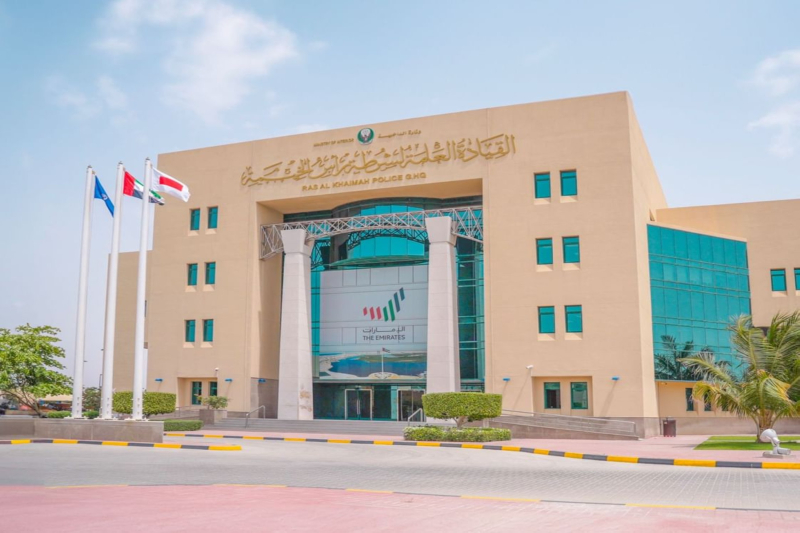
Authorities in Ras Al Khaimah have reviewed the emirate’s emergency preparedness and crisis management indicators during a high level meeting focused on ensuring readiness amid ongoing regional developments. The Local Emergency, Crisis and Disaster Management Team held a coordination session chaired by Major General Ali Abdullah Bin Alwan Al Nuaimi, Commander in Chief of Ras Al Khaimah Police and head of the local crisis management team. The meeting brought together officials from multiple government entities responsible for security, emergency response and essential services. Participants examined the latest regional developments and discussed how current conditions could influence risk management planning across the emirate. Officials emphasized the importance of maintaining a proactive approach to preparedness in order to ensure that authorities are able to respond effectively to any emergency or crisis situation that may arise.
During the meeting the team reviewed field monitoring reports and preparedness indicators from several government departments involved in emergency response operations. Authorities assessed the availability of human resources and technical infrastructure required to manage potential incidents while ensuring the smooth functioning of essential services. Officials also evaluated the readiness of operations centers and communication networks that support coordination between different agencies. These systems play a critical role in enabling rapid information sharing and decision making during emergencies. By strengthening communication channels and operational readiness the authorities aim to ensure that any response to emerging situations can be implemented quickly and efficiently across the emirate.
The discussion also focused on operational plans designed to manage various potential scenarios. Officials reviewed previously approved emergency response frameworks along with business continuity strategies that help maintain critical services during disruptions. Authorities emphasized that coordination between government departments is essential for managing risks and responding effectively to unexpected developments. Participants also reviewed the roles and responsibilities assigned to each institution involved in the crisis management structure to ensure that all agencies remain aligned and prepared for coordinated action when required. Officials said this integrated approach helps strengthen institutional resilience and allows government bodies to respond to challenges with greater efficiency and professionalism.
Authorities highlighted the importance of strengthening collaboration among different entities while ensuring that information continues to flow between agencies responsible for security, public safety and infrastructure management. Continuous communication between departments helps authorities monitor developments and adjust response strategies when necessary. Officials also discussed the role of public awareness in strengthening preparedness and encouraged residents to follow guidelines issued by relevant authorities during periods of uncertainty. Increasing community awareness is considered an important component of crisis management because it helps ensure that residents remain informed and able to respond appropriately to official instructions.
The emergency management team stressed the importance of maintaining continuous monitoring of developments and ensuring that emergency systems remain operational around the clock. Authorities said protecting lives and property remains a central priority while ensuring that essential services continue to function without disruption. Officials also emphasized that the emirate’s integrated emergency management framework is designed to respond quickly to evolving situations and to maintain stability during challenging circumstances. The review of preparedness indicators reflects the government’s ongoing efforts to strengthen institutional readiness and ensure that the emirate remains capable of managing potential risks and emergencies with a high level of efficiency.

SBP Monetary Policy and Interest Rate Direction
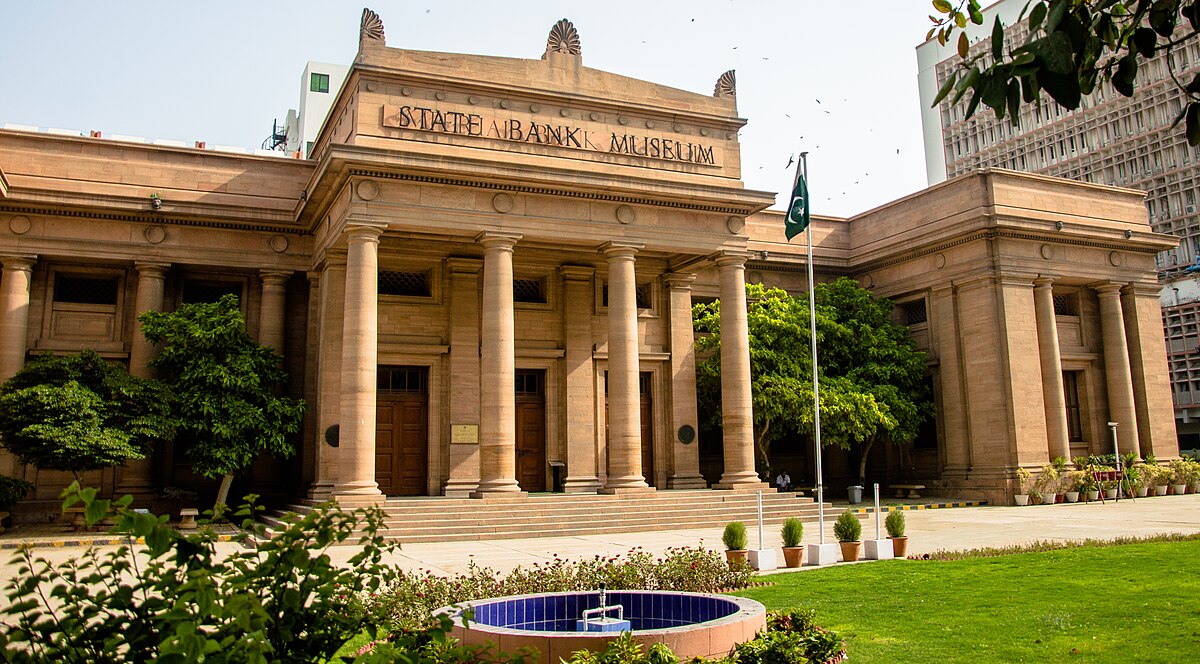
The SBP monetary policy remains the most influential economic tool shaping Pakistan’s financial stability. The State Bank of Pakistan adjusts interest rates to control inflation, manage currency stability, and guide economic growth. Recent policy decisions reflect cautious optimism as inflation trends show early signs of moderation. Businesses and investors closely monitor SBP statements because borrowing costs directly impact corporate profitability and consumer spending. A stable interest rate environment improves investor confidence in equities and fixed income markets. However, global economic uncertainty and dollar strength continue to influence central bank decision-making in emerging markets like Pakistan.
Why SBP Interest Rates Matter
Interest rates affect multiple sectors of the economy. Higher rates typically reduce inflation but slow economic expansion. Lower rates encourage borrowing and investment but may increase inflationary pressures. Key impacts include:
- Loan affordability for businesses
- Consumer financing costs
- Real estate activity
- Currency stability
- Government debt servicing
Recent inflation data suggests gradual stabilization, giving SBP room to maintain or cautiously adjust policy rates. Investors analyze forward guidance carefully, as even minor changes in tone can impact stock market sentiment and bond yields.
Inflation and Currency Considerations
Inflation remains a core factor behind SBP monetary policy decisions. A sustained decline in inflation provides flexibility to reduce rates, stimulating economic growth. However, exchange rate stability must also be preserved.
A stable rupee supports investor confidence and reduces imported inflation. IMF program conditions and foreign exchange reserves also play a critical role in shaping monetary decisions. The balance between growth and price stability defines central bank strategy in emerging economies.
Google Helpful Content Update & Economic Authority
Under Google’s E-E-A-T and Helpful Content guidelines, economic reporting must demonstrate expertise and reliability. To rank for “SBP monetary policy,” content should:
- Reference official policy statements
- Provide macroeconomic context
- Avoid speculative predictions
- Offer balanced economic interpretation
Authoritative economic content improves credibility and organic visibility. Structured analysis helps financial readers understand policy impact clearly and builds long-term trust with search engines.
Economic Outlook Ahead
Market participants expect SBP to remain data-driven in upcoming meetings. If inflation continues easing and foreign reserves strengthen, policy easing may be considered. However, global interest rate trends and oil price fluctuations remain key risk factors.
Businesses should prepare for gradual stabilization rather than abrupt shifts. Investors must monitor inflation reports and SBP statements for directional clarity.
Stay updated with our ECONOMY section for policy insights, trade developments, and corporate analysis.
Conclusion
SBP monetary policy decisions shape the foundation of Pakistan’s economic direction. Interest rate stability can support growth, while disciplined inflation control strengthens long-term confidence.


Pakistan and Germany explore new business cooperation during Karachi meeting

SECP approves LSE Capital voluntary de registration from modaraba business

Chinese investment group explores $5 billion to $10 billion projects in Pakistan
Trending
Fashion9 years agoThese ’90s fashion trends are making a comeback in 2017
Entertainment9 years agoThe final 6 ‘Game of Thrones’ episodes might feel like a full season
Fashion9 years agoAccording to Dior Couture, this taboo fashion accessory is back
Entertainment9 years agoThe old and New Edition cast comes together to perform
Sports9 years agoPhillies’ Aaron Altherr makes mind-boggling barehanded play
Business9 years agoUber and Lyft are finally available in all of New York State
Entertainment9 years agoDisney’s live-action Aladdin finally finds its stars
Sports9 years agoSteph Curry finally got the contract he deserves from the Warriors