


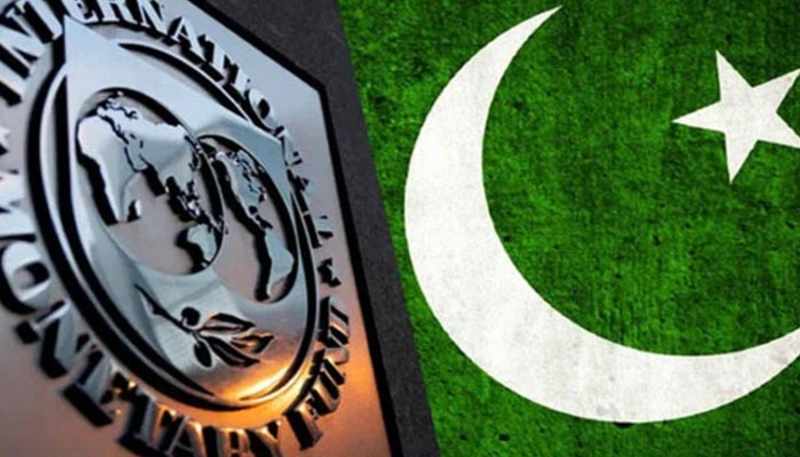
Pakistan is preparing an emergency economic strategy after the International Monetary Fund asked authorities to outline a comprehensive response plan addressing potential economic risks arising from ongoing regional tensions. Officials in Islamabad said the IMF has requested detailed measures aimed at protecting macroeconomic stability while ensuring that structural reforms remain on track under the current economic program. The emergency framework will be developed jointly by the Ministry of Finance, the Ministry of Energy and the Ministry of Commerce. The objective is to assess how geopolitical developments could affect Pakistan’s economy and to prepare policy responses that safeguard fiscal stability, energy supply and trade flows. Policymakers say the plan will focus on strengthening financial management, improving tax collection and maintaining economic reforms that are considered essential for long term economic stability.
Discussions between Pakistani officials and IMF representatives have also highlighted the importance of accelerating tax reforms and improving revenue generation. Authorities briefed the IMF on the challenges faced by the Federal Board of Revenue in meeting the current fiscal year tax target. The revised target for the fiscal year has been set at approximately 13979 billion rupees, though officials acknowledged that achieving this goal will require stronger enforcement and improved compliance. The IMF has emphasized the need for more efficient tax administration as part of broader fiscal reforms designed to strengthen government finances and reduce reliance on external borrowing. Economists say improving tax collection remains a key component of Pakistan’s reform agenda because stronger revenue generation allows the government to finance public services while maintaining fiscal discipline.
Another major focus of the discussions has been improving transparency and accountability in public sector procurement. Officials informed the IMF delegation about proposed amendments to the Public Procurement Regulatory Authority rules aimed at enhancing oversight and data access. Under the proposed framework several key institutions including the Competition Commission of Pakistan, the National Accountability Bureau and the Auditor General will be able to access procurement information more easily. Authorities believe these changes will improve transparency in government spending and reduce the risk of financial irregularities. The government is also expanding the electronic procurement system known as e PAD which manages public sector procurement processes. The system will be further integrated across federal and provincial departments to strengthen monitoring of government contracts and improve efficiency in public spending.
Officials also discussed institutional restructuring efforts designed to improve administrative efficiency and reduce fiscal pressure on the government. As part of a broader rightsizing initiative authorities have begun streamlining government departments and reducing redundant positions within the public sector. According to officials the restructuring process is expected to eliminate around fifty four thousand government positions by the end of 2025. These measures are projected to generate annual fiscal savings of approximately fifty six billion rupees which could help reduce expenditure pressures and improve fiscal sustainability. Policymakers say the restructuring initiative is part of a broader effort to modernize government institutions and make public administration more efficient.
The IMF and Pakistani authorities will continue discussions on the emergency economic framework through a series of virtual meetings involving provincial governments and federal ministries. These consultations aim to assess progress on reforms and coordinate policy responses to potential economic risks arising from regional instability. Officials say the ongoing dialogue reflects the importance of maintaining economic stability while ensuring that structural reforms remain aligned with the broader objectives of Pakistan’s international financial support program.