


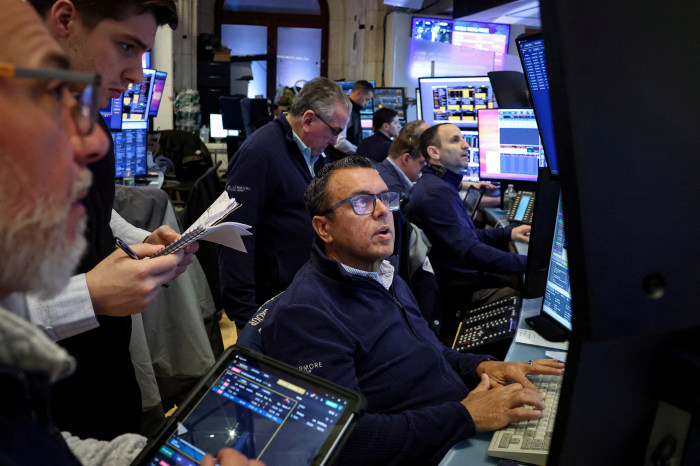
Global financial markets showed signs of stabilization as investors paused to assess the evolving geopolitical situation in the Middle East. Equity markets across Asia, the United States, and Europe recorded modest gains after days of volatility triggered by escalating tensions in the region. Investors appeared cautiously optimistic that diplomatic channels might eventually reduce the intensity of the conflict. Asian markets led the rebound, with South Korea’s KOSPI recovering sharply and Japan’s Nikkei also posting solid gains. The improvement in market sentiment suggested that investors were temporarily shifting away from panic-driven selling and returning to equities after recent losses, although uncertainty continues to dominate the global economic outlook.
The positive tone in equity markets was also reflected in the United States, where major stock indices moved higher during the previous trading session. Technology stocks helped lead the recovery as the Nasdaq index recorded notable gains, while the S&P 500 also advanced. The rebound was supported by stronger-than-expected economic data and signs of resilience in the US economy. Investors reacted positively to recent reports indicating growth in private payrolls during February and a significant rise in the services sector index. These indicators suggested that economic activity remains relatively stable despite ongoing geopolitical risks and global market volatility.
However, geopolitical uncertainty continues to influence investor sentiment. The ongoing conflict in the Middle East has raised concerns about potential disruptions to global energy supplies, particularly through the Strait of Hormuz, one of the world’s most critical oil shipping routes. Any prolonged disruption in this corridor could significantly affect global oil markets and international trade. While there have been early signs of possible diplomatic communication between opposing sides, analysts caution that the situation remains fragile. Military activity in the region has entered another week, and many observers believe tensions could persist for an extended period.
Energy markets have already reacted to the geopolitical developments, with crude oil prices rising as traders anticipate potential supply disruptions. Both US and Brent crude benchmarks recorded gains, with Brent prices moving above the $83 per barrel level during trading. Higher oil prices have also increased inflation concerns across several economies that rely heavily on imported energy. Meanwhile, gold prices edged higher as investors sought safe-haven assets amid continued geopolitical uncertainty. The US dollar also strengthened after briefly retreating from recent highs, reflecting renewed demand for defensive assets.
Despite the recent rebound in equities, financial markets remain cautious as investors await further economic data and geopolitical developments. Market participants are closely monitoring upcoming US economic reports, including weekly jobless claims and the latest labor market data. These indicators could provide additional insights into the strength of the US economy and influence expectations about future monetary policy decisions. While global markets have temporarily stabilized, analysts believe volatility could return quickly if geopolitical tensions intensify or energy supply disruptions worsen. Investors are therefore maintaining a cautious approach while assessing how global economic and political developments may shape market trends in the coming weeks.