


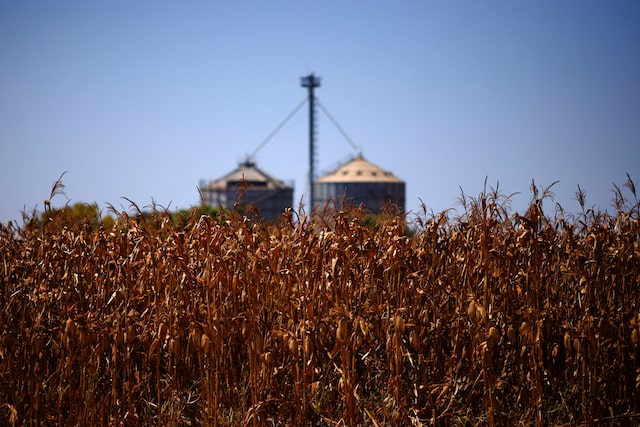
Brazil’s agricultural sector is facing growing uncertainty as the expanding conflict in the Middle East begins to disrupt global trade routes and fertilizer supplies. Analysts warn that the ongoing confrontation involving Iran could significantly impact Brazil’s grain exports and the availability of key agricultural inputs, particularly fertilizers sourced from the region. The disruption is largely tied to instability in the Strait of Hormuz, a vital shipping route through which a substantial portion of global energy and commodity trade flows. As tensions rise, concerns are mounting that shipping delays and logistical challenges could affect Brazil’s ability to deliver agricultural products to key international markets.
The Middle East has long been an important destination for Brazilian agricultural exports, including corn, soybeans, and other staple crops. Brazil is expected to surpass the United States this year as the world’s largest corn exporter, making stable trade routes critical for maintaining its export momentum. However, increasing security threats around maritime corridors have raised the risk of shipment delays and potential contract cancellations. If freight routes remain unstable, traders fear that buyers in the Middle East could seek alternative suppliers, potentially affecting Brazil’s agricultural revenues and market share in global grain trade.
Beyond export risks, Brazil also faces serious challenges related to fertilizer supplies. The country relies heavily on imported fertilizers to support its vast agricultural production, and a significant portion of those supplies originate from the Middle East. Urea, one of the most widely used nitrogen-based fertilizers, is particularly important for Brazilian farmers. Iran has historically been a major exporter of urea, and disruptions to its production or shipping capacity could tighten global fertilizer markets. Any prolonged disruption could lead to higher input costs for farmers and reduced availability of critical nutrients needed for crop growth.
Agricultural analysts say fertilizer shortages could have cascading effects across Brazil’s farming sector. Higher fertilizer prices would raise production costs for farmers, potentially reducing profit margins and influencing planting decisions for upcoming crop cycles. If supplies become scarce, some producers may be forced to cut back on fertilizer usage, which could affect crop yields and overall agricultural productivity. Given Brazil’s role as a leading global supplier of soybeans, corn, and other commodities, disruptions in its agricultural output could also ripple through international food markets.
The situation highlights the interconnected nature of global commodity supply chains, where geopolitical tensions can quickly influence agriculture and food production. Brazil’s heavy reliance on imported fertilizers makes it particularly vulnerable to international supply disruptions. Meanwhile, the country’s export-oriented farming industry depends on stable shipping routes and predictable global demand. If the Middle East conflict continues to escalate, both fertilizer supply chains and maritime logistics could face prolonged instability, complicating planning for exporters and farmers alike.
While it remains uncertain how long the conflict will last, market participants are closely monitoring developments in global energy routes and fertilizer markets. Any further escalation could intensify supply constraints and push agricultural input prices higher. For Brazil’s farming sector, maintaining access to fertilizers and ensuring uninterrupted export logistics will be crucial in safeguarding production levels and sustaining its growing role in global agricultural trade.