
Currencies
Emerging Market Currencies Stabilize as Oil Prices Steady on Iran Developments

Published
2 days agoon

Emerging market currencies showed signs of stabilization after several days of losses, as oil prices steadied following reports related to developments involving Iran. The easing of crude oil volatility helped calm investor concerns and supported a partial recovery in risk-sensitive currencies. Earlier in the week, global markets had experienced sharp fluctuations as rising geopolitical tensions in the Middle East pushed oil prices higher and triggered a flight to safer assets such as the US dollar. As energy markets began to stabilize, some pressure on emerging market currencies started to ease.
Many emerging market economies are highly sensitive to oil price movements, particularly countries that depend heavily on energy imports. When oil prices surge, the cost of imports increases, often weakening local currencies and creating inflationary pressures. The recent stabilization in crude oil prices helped reduce these concerns, allowing several emerging market currencies to pause their downward trend. Currency traders also shifted their focus toward broader global economic indicators, including interest rate expectations in the United States and economic growth signals from major economies.
Investor sentiment had been shaken earlier as geopolitical tensions between Iran and Western allies raised concerns about potential disruptions to global energy supply. Oil prices surged to multi-month highs during the peak of the uncertainty, which placed significant pressure on emerging market currencies and equities. However, reports suggesting a potential easing of immediate tensions helped reduce some of the market anxiety. As a result, commodity markets cooled slightly and financial markets saw a modest improvement in risk appetite.
From a financial market perspective, developments in oil prices often have a direct influence on emerging market currencies. Search trends show that investors increasingly follow global energy markets to anticipate currency fluctuations. Reliable financial reporting and accurate macroeconomic analysis play an important role in helping investors understand how geopolitical developments impact currency markets. Transparent and data-driven reporting improves credibility and helps readers make more informed financial decisions.
Despite the temporary relief in currency markets, analysts warn that volatility could return if geopolitical tensions escalate again. Oil supply risks in the Middle East remain a major concern for global markets. Investors will continue monitoring developments related to Iran, as well as central bank policies and economic indicators that influence global capital flows. For emerging markets, maintaining currency stability will depend not only on commodity price movements but also on domestic economic policies and investor confidence.
Looking ahead, financial experts believe that emerging market currencies may remain sensitive to changes in oil prices and global risk sentiment. Any sudden surge in energy prices could again increase pressure on importing nations, while sustained stability in commodity markets could provide support for currencies and equity markets alike. Market participants are therefore expected to keep a close watch on geopolitical developments, energy market trends, and monetary policy signals from major economies in the coming weeks.
You may like

Emerging Market Currency Volatility Surpasses Developed Markets After Long Period of Stability

RBI Sells Dollars to Support Rupee After Currency Hits Record Low


Global Markets on Edge as Gulf War Threatens Energy and Supply Chains

Global Markets Pause as Investors Assess Middle East Conflict
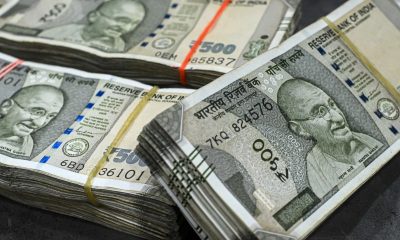

India’s Rupee Rises Sharply as Central Bank Steps In to Support Currency

Emerging Currencies Fall as Iran Conflict Escalates
Currencies
Euro May Strengthen as Global Role Expands, ECB’s Wunsch Says
Published
1 day agoon
March 5, 2026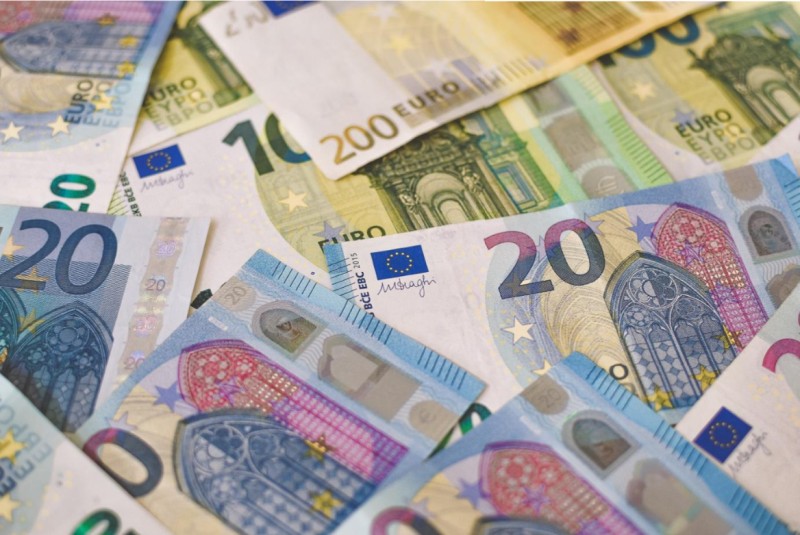
The euro could gain further strength in global markets if Europe continues efforts to expand the international role of its common currency, according to European Central Bank Governing Council member Pierre Wunsch. Speaking in an interview in Brussels, the Belgian central bank chief said policymakers should prepare for the possibility of a stronger euro as the region seeks to enhance the currency’s global influence. Wunsch explained that if Europe succeeds in increasing the euro’s international usage in trade, finance, and global reserves, upward pressure on the currency could follow naturally. His comments come at a time when global financial systems are gradually evolving and policymakers are exploring ways to diversify international currency dominance.
The European Union has been working to strengthen the euro’s global standing in recent years, aiming to reduce reliance on other major currencies in international transactions. A stronger role for the euro could improve the region’s financial independence and influence within the global economic system. Wunsch emphasized that expanding the international use of the euro could bring benefits such as greater resilience in financial markets and stronger global recognition of European financial institutions. However, he also acknowledged that an appreciation in the currency could create challenges for exporters, as a stronger euro may make European goods more expensive in global markets.
The discussion around the euro’s global role has gained importance as geopolitical tensions and shifting economic alliances reshape international financial dynamics. Several countries and financial institutions have shown increasing interest in diversifying currency exposure, particularly in response to global economic uncertainties. Analysts say the euro is often viewed as the most credible alternative to the US dollar in global financial markets due to the size of the eurozone economy and the stability of its financial system. Expanding the euro’s role in global trade and finance could therefore strengthen Europe’s position in the international monetary system.
However, policymakers must also carefully balance the potential economic impacts of a stronger currency. While currency appreciation can enhance purchasing power and improve financial stability, it may also affect export competitiveness for European companies. Wunsch indicated that central banks need to consider these trade-offs when shaping policies that support the internationalization of the euro. Economic growth, trade balances, and capital flows could all be influenced by movements in the exchange rate if the euro gains a larger global presence.
Market observers note that the euro’s future trajectory will depend on multiple factors including monetary policy decisions, economic growth across the eurozone, and global financial conditions. The European Central Bank continues to monitor inflation trends, interest rates, and economic activity while maintaining stability within the region’s financial system. As discussions around the international role of the euro continue, policymakers are likely to weigh both the benefits and risks associated with a stronger currency. Any shift toward greater global use of the euro could have significant implications for international finance and global currency markets.
Currencies
India’s Rupee Rises Sharply as Central Bank Steps In to Support Currency
Published
1 day agoon
March 5, 2026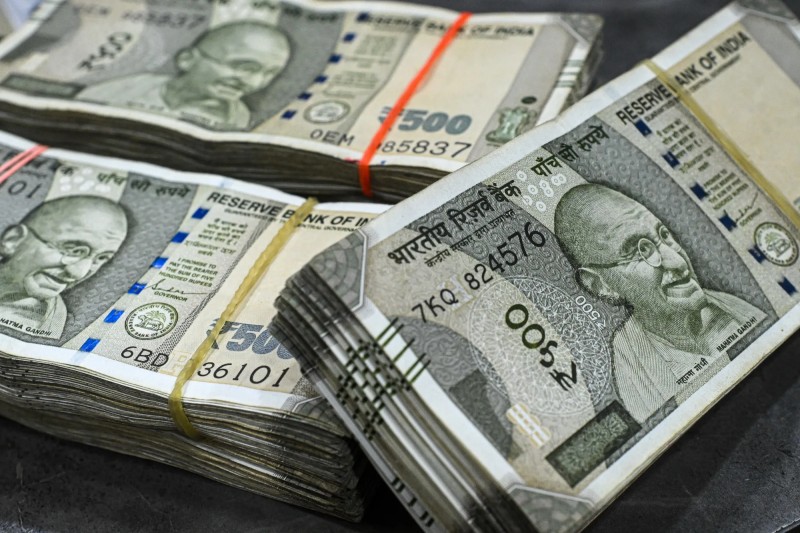
India’s currency recorded the strongest gain among Asian currencies after the country’s central bank stepped in to stabilize the market following a sharp decline in the previous session. The Indian rupee strengthened significantly during trading as the Reserve Bank of India (RBI) reportedly intervened in both offshore and domestic currency markets. The rupee gained around 0.7 percent at its peak, rising to approximately 91.51 against the US dollar. The recovery came after the currency had earlier fallen to a record low, prompting authorities to take action in order to limit further depreciation and stabilize investor sentiment in the foreign exchange market.
Market participants indicated that the RBI sold US dollars in the market to support the rupee and curb excessive volatility. The intervention was observed in both onshore and offshore trading markets, according to sources familiar with the developments. Central bank intervention in currency markets is typically aimed at reducing extreme fluctuations and ensuring orderly market conditions. Analysts noted that the rupee had come under pressure due to rising global uncertainties and higher oil prices, which tend to weaken currencies of oil-importing nations. By supplying dollars into the market, the central bank was able to temporarily strengthen the rupee and restore some stability.
The recent weakness in the rupee has been linked to several external pressures affecting emerging market currencies. Rising oil prices have increased concerns about India’s import costs because the country depends heavily on imported energy to meet domestic demand. Higher crude oil prices often lead to a widening trade deficit and create downward pressure on the national currency. In addition to energy market concerns, global investors have also been reacting to geopolitical tensions and shifting monetary policy expectations in major economies. These factors have contributed to increased volatility across many emerging market currencies.
Financial analysts believe that the RBI’s intervention reflects the central bank’s commitment to maintaining currency stability and preventing excessive speculation in the foreign exchange market. While authorities generally allow the rupee to move based on market forces, they may intervene when fluctuations become too sharp or disruptive. Currency stability is particularly important for emerging economies because rapid depreciation can increase inflationary pressures and affect investor confidence. By acting quickly, the RBI aims to maintain orderly trading conditions and reassure investors about the strength of India’s financial system.
Despite the latest rebound, currency markets are expected to remain sensitive to global developments. Investors are closely monitoring geopolitical tensions, global oil price movements, and international trade developments that could influence the direction of emerging market currencies. For India, the outlook for the rupee will depend on several factors including energy prices, foreign investment flows, and domestic economic performance. Market participants expect the central bank to continue monitoring the currency closely and intervene if necessary to prevent excessive volatility in the coming weeks.
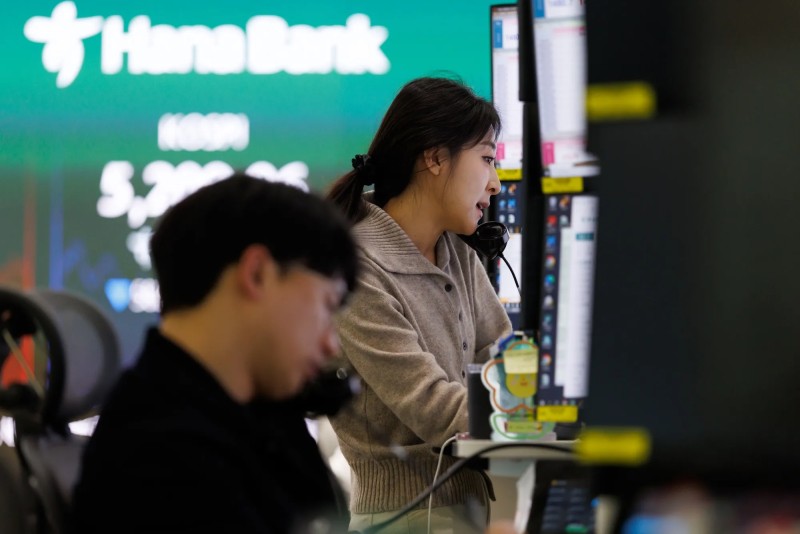
Emerging market currencies weakened during trading as geopolitical tensions intensified following the continued escalation of the conflict involving Iran and several Western allies. The decline came as the crisis entered its sixth day, raising concerns among investors about potential disruptions to global trade and energy markets. Financial markets reacted cautiously as reports indicated rising missile threats across parts of the Middle East, prompting investors to shift away from risk-sensitive assets. The growing uncertainty pushed several emerging market currencies lower against major global currencies as traders sought safer alternatives. Market participants closely monitored developments in the region, recognizing that any escalation could influence oil prices, capital flows, and global financial stability.
The geopolitical tensions were further highlighted by security alerts issued in parts of the Middle East. Authorities in the United Arab Emirates warned residents in Dubai about possible incoming attacks and urged people to seek immediate shelter as a precautionary measure. Such developments contributed to heightened anxiety across financial markets. Airlines also began adjusting operations in response to the security situation, with several flight routes across the region being suspended. Aegean Airlines announced that flights to and from cities including Tel Aviv, Beirut, Erbil, and Baghdad would remain suspended until at least mid-March due to safety concerns. These disruptions signaled the broader impact the conflict could have on transportation and international travel.
Financial markets often respond quickly to geopolitical uncertainty, particularly when conflicts affect key energy producing regions. The Middle East remains one of the most important areas for global oil production and transportation. As tensions escalated, oil prices moved higher due to fears of supply disruptions and increased risks to shipping routes. Rising oil prices typically place additional pressure on emerging market currencies, especially for countries that rely heavily on energy imports. Investors often respond to such uncertainty by moving capital into traditional safe-haven assets such as the US dollar, government bonds, and gold.
Currency traders also reacted to the broader global market environment shaped by geopolitical developments. As oil prices rose and security concerns increased, investors reduced exposure to riskier assets in emerging economies. This shift led to renewed demand for stable currencies and defensive investments. Market analysts noted that emerging market currencies tend to be particularly sensitive to geopolitical shocks because capital flows can quickly shift during periods of uncertainty. In addition to currency markets, equities and bond markets in several developing economies also experienced pressure as investors reassessed risk levels.
Despite the current decline, analysts say the outlook for emerging market currencies will largely depend on how the geopolitical situation evolves in the coming days. If tensions escalate further or energy supplies face disruptions, markets could remain volatile. However, any signs of diplomatic progress or de-escalation could quickly improve investor sentiment. Global markets are expected to continue monitoring developments closely, especially those affecting oil production, shipping routes, and international security. For emerging economies, maintaining financial stability during periods of geopolitical uncertainty will remain an important challenge as global investors adjust their strategies.


Pakistan and Germany explore new business cooperation during Karachi meeting

SECP approves LSE Capital voluntary de registration from modaraba business

Chinese investment group explores $5 billion to $10 billion projects in Pakistan
Trending

 Fashion9 years ago
These ’90s fashion trends are making a comeback in 2017
- Entertainment9 years ago
The final 6 ‘Game of Thrones’ episodes might feel like a full season
- Fashion9 years ago
According to Dior Couture, this taboo fashion accessory is back
- Entertainment9 years ago
The old and New Edition cast comes together to perform
- Sports9 years ago
Phillies’ Aaron Altherr makes mind-boggling barehanded play
- Business9 years ago
Uber and Lyft are finally available in all of New York State
- Entertainment9 years ago
Disney’s live-action Aladdin finally finds its stars
- Sports9 years ago
Steph Curry finally got the contract he deserves from the Warriors