


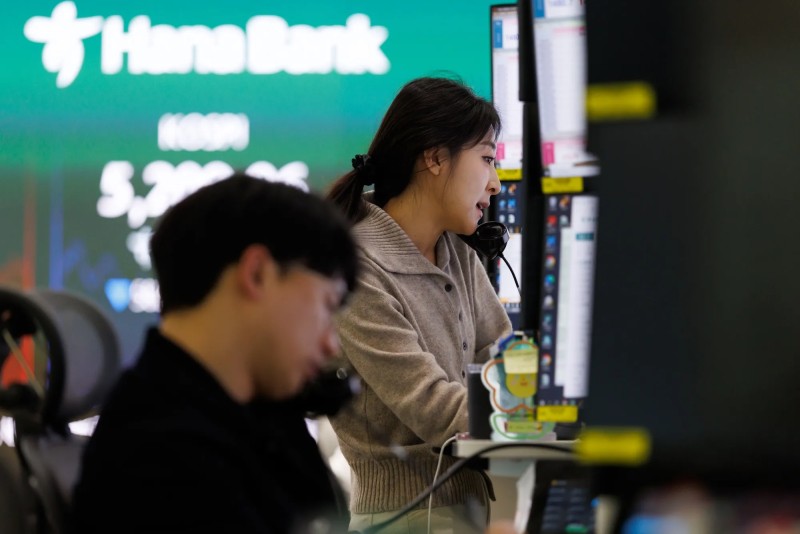
Emerging market currencies weakened during trading as geopolitical tensions intensified following the continued escalation of the conflict involving Iran and several Western allies. The decline came as the crisis entered its sixth day, raising concerns among investors about potential disruptions to global trade and energy markets. Financial markets reacted cautiously as reports indicated rising missile threats across parts of the Middle East, prompting investors to shift away from risk-sensitive assets. The growing uncertainty pushed several emerging market currencies lower against major global currencies as traders sought safer alternatives. Market participants closely monitored developments in the region, recognizing that any escalation could influence oil prices, capital flows, and global financial stability.
The geopolitical tensions were further highlighted by security alerts issued in parts of the Middle East. Authorities in the United Arab Emirates warned residents in Dubai about possible incoming attacks and urged people to seek immediate shelter as a precautionary measure. Such developments contributed to heightened anxiety across financial markets. Airlines also began adjusting operations in response to the security situation, with several flight routes across the region being suspended. Aegean Airlines announced that flights to and from cities including Tel Aviv, Beirut, Erbil, and Baghdad would remain suspended until at least mid-March due to safety concerns. These disruptions signaled the broader impact the conflict could have on transportation and international travel.
Financial markets often respond quickly to geopolitical uncertainty, particularly when conflicts affect key energy producing regions. The Middle East remains one of the most important areas for global oil production and transportation. As tensions escalated, oil prices moved higher due to fears of supply disruptions and increased risks to shipping routes. Rising oil prices typically place additional pressure on emerging market currencies, especially for countries that rely heavily on energy imports. Investors often respond to such uncertainty by moving capital into traditional safe-haven assets such as the US dollar, government bonds, and gold.
Currency traders also reacted to the broader global market environment shaped by geopolitical developments. As oil prices rose and security concerns increased, investors reduced exposure to riskier assets in emerging economies. This shift led to renewed demand for stable currencies and defensive investments. Market analysts noted that emerging market currencies tend to be particularly sensitive to geopolitical shocks because capital flows can quickly shift during periods of uncertainty. In addition to currency markets, equities and bond markets in several developing economies also experienced pressure as investors reassessed risk levels.
Despite the current decline, analysts say the outlook for emerging market currencies will largely depend on how the geopolitical situation evolves in the coming days. If tensions escalate further or energy supplies face disruptions, markets could remain volatile. However, any signs of diplomatic progress or de-escalation could quickly improve investor sentiment. Global markets are expected to continue monitoring developments closely, especially those affecting oil production, shipping routes, and international security. For emerging economies, maintaining financial stability during periods of geopolitical uncertainty will remain an important challenge as global investors adjust their strategies.